
Mosquitoes: Life Cycle, Risks, and How to Reduce Them Around Your Home
Learn how mosquitoes breed, why they gather around some yards, and which practical steps help reduce mosquito activity at your property.

Identification Guide

Prevention Tips

24/7 Contact

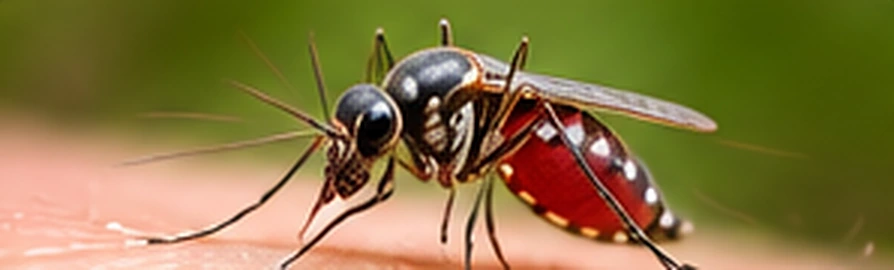
Mosquitoes can turn a backyard dinner or an evening walk into an itchy ordeal. Beyond the annoyance, they are also the most important insect carriers of disease worldwide, which is why public health agencies pay close attention to them.
The good news is that mosquito problems often start with small amounts of standing water on your own property. This guide explains how mosquitoes live, how to spot likely breeding areas, and which steps genuinely help.
Why Mosquitoes Matter
Mosquito bites are itchy and irritating, but the larger concern is disease. In the United States, mosquitoes can spread viruses such as West Nile virus, and some species can spread others. Risk depends on the species, the region, and the time of year.
Mosquitoes can also limit how comfortably people use patios, decks, yards, and outdoor business spaces such as restaurants, event venues, and rental properties.
How to Identify Mosquitoes
Mosquitoes are slender flying insects with long, thin legs and a needle-like mouthpart. Most are small, usually between about an eighth and a quarter of an inch long, and they are typically gray, brown, or black. Only females bite, because they need a blood meal to produce eggs.
Species you may encounter
- Asian tiger mosquito: small and black with white stripes on the body and legs. It is an aggressive daytime biter and breeds in very small containers of water.
- Northern house mosquito (Culex): brownish and more active at dusk and during the night. It breeds in stagnant, polluted water such as clogged gutters, storm drains, and neglected containers.
- Other species: many other mosquitoes breed in woodland pools, ditches, and marshy areas.
Mosquito or something else?
Midges and crane flies are sometimes mistaken for mosquitoes. Midges do not bite, and crane flies are much larger with very long legs and do not feed on blood.
Mosquito Behavior and Habitat
Mosquitoes go through four stages: egg, larva, pupa, and adult. The first three stages happen in water. In warm weather, development can take roughly a week or two, which is why populations can rise quickly after rain.
- Breeding sites: any place that holds water for several days, including flowerpot saucers, buckets, tires, tarps, birdbaths, clogged gutters, and low spots in the yard.
- Resting sites: shaded, humid places such as dense shrubs, tall grass, and under decks.
- Activity pattern: many species are most active around dawn and dusk, while some, like the Asian tiger mosquito, bite during the day.
- Seasonal activity: mosquitoes are generally active from spring through fall in Kentucky. Warm, wet conditions favor larger populations.
Most mosquitoes stay within a limited range of where they hatch, so local breeding sites strongly influence what you experience in your own yard.
Signs of a Mosquito Problem
- Frequent bites when you are outside, especially at dusk or in shaded areas
- Clouds of mosquitoes rising from grass or shrubs when disturbed
- Small, wriggling larvae in standing water, often called wrigglers
- Standing water in containers, gutters, or low spots after rain
- Mosquitoes entering through open doors or damaged screens
- Neighbors reporting similar problems, which may point to a shared breeding source
If you see wriggling larvae in water, mosquitoes are actively breeding nearby.
What Causes Mosquito Problems
Standing water is the key factor. Common contributors around homes and businesses include:
- Clogged gutters and downspouts that hold water
- Birdbaths, pet bowls, and fountains that are not refreshed
- Buckets, wheelbarrows, toys, and tarps that collect rainwater
- Old tires, planters, and containers stored outdoors
- Poor drainage, low-lying spots, and overwatered lawns
- Dense vegetation, which provides shade and resting areas
- Unmaintained pools, ponds, and drainage ditches
Potential Risks of Mosquitoes
Disease. According to the Centers for Disease Control and Prevention, mosquitoes can transmit West Nile virus and other pathogens. Most people infected with West Nile virus have no symptoms, but some become seriously ill. Check with local health authorities for current risk in your area.
Allergic reactions. Some people develop large, swollen reactions to bites.
Pets. Mosquitoes can transmit heartworm to dogs and cats. Talk with your veterinarian about prevention.
Reduced outdoor enjoyment. Heavy mosquito activity can make decks, patios, and outdoor business spaces unpleasant to use.
Mosquito Prevention Tips
Because mosquitoes breed in standing water, the most effective step is usually eliminating it.
- Dump and drain weekly. Empty buckets, saucers, toys, and containers, and turn them upside down when not in use.
- Refresh birdbaths and pet bowls at least once a week.
- Clean gutters and make sure downspouts drain properly.
- Fix drainage problems and fill low spots where water collects.
- Store tires, tarps, and containers so they do not hold water.
- Maintain pools and ponds, and keep covers from collecting water.
- Trim vegetation and keep grass cut to remove resting places.
- Repair window and door screens to keep mosquitoes out of the house.
What Homeowners Can Safely Do First
Helpful first steps
- Walk your property after rain and look for standing water, including in gutters and under planters.
- Use an EPA-registered insect repellent when outdoors. The CDC lists active ingredients such as DEET, picaridin, IR3535, oil of lemon eucalyptus, para-menthane-diol, and 2-undecanone. Follow label directions, and check age restrictions for children.
- Wear long sleeves and pants during peak biting times when practical.
- Use fans on patios, since mosquitoes are weak fliers.
What to avoid
- Do not rely on a single product. Candles, wristbands, and some gadgets have limited or inconsistent evidence of effectiveness.
- Do not apply insecticides near water, food, gardens, or pollinator plants without carefully following label instructions.
- Do not ignore neighbors’ standing water. Talking with neighbors, or reporting persistent problems to local authorities, can help.
Removing standing water can greatly reduce mosquitoes, but it may not be enough in large yards, near wooded or wet areas, or when neighboring properties contribute to the problem.
When to Call a Professional
Consider professional help if mosquitoes remain heavy after you remove standing water, if your property borders woods, ponds, or drainage areas, or if you plan to use outdoor space for events or customers. A professional can inspect for breeding sites you may have missed, identify the likely species and habitats, and recommend an approach that suits your yard and safety needs.
Toler Pest Control provides mosquito control for properties in Louisville, Kentucky. You can also learn more about our residential pest control and commercial pest control services. Mosquitoes and biting pests on pets can be confused, so see our guide to fleas if you notice bites around the ankles or on animals.
Mosquito Control
Treatment to help reduce mosquitoes around your yard and outdoor spaces.
Frequently Asked Questions
Why do I have so many mosquitoes in my yard?
Standing water is usually the cause. Gutters, buckets, planters, birdbaths, tires, and low spots can hold water long enough for larvae to develop. Shady, overgrown areas give adult mosquitoes a place to rest.
How long does it take mosquitoes to develop?
In warm weather, mosquitoes can go from egg to adult in roughly a week or two, depending on the species and temperature. That is why populations can jump after rain.
Do all mosquitoes bite?
No. Only female mosquitoes bite, because they need blood to develop eggs. Male mosquitoes feed on plant nectar.
What diseases can mosquitoes spread?
In the United States, West Nile virus is the most common mosquito-borne illness. Other diseases can occur depending on location and species. The CDC and your local health department provide current information.
When are mosquitoes most active in Kentucky?
They are generally active from spring through fall. Many species bite most at dawn and dusk, while Asian tiger mosquitoes also bite during the day.
What is the best way to reduce mosquitoes at home?
Remove standing water weekly, clean gutters, fix drainage, trim vegetation, repair screens, and use repellent outdoors. Combining several steps works better than relying on any one method.
Do mosquito repellents really work?
EPA-registered repellents, used as directed, are an effective way to reduce bites. Many other products, such as wristbands, have limited evidence.
Can mosquitoes breed in small amounts of water?
Yes. Some mosquitoes can breed in very small containers, such as a bottle cap, plant saucer, or clogged gutter.
Related Articles
Related Pest Guides

Tired of Mosquitoes Taking Over Your Yard?
Toler Pest Control is available 24 hours a day, 7 days a week. Call (844) 478-1021 to discuss mosquito concerns at your property.