
General Pest Control
Inspection and treatment for common household pests, plus prevention advice.

Residential Service

Commercial Service

Targeted Treatment
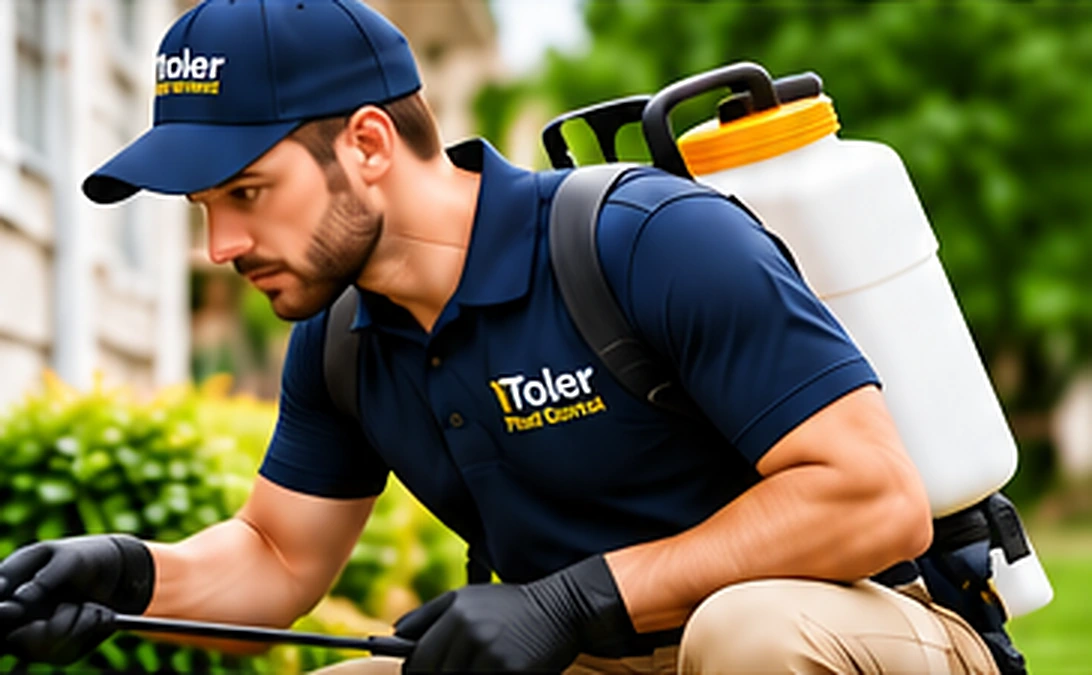

Ants in the kitchen, spiders in the garage, mice in the attic: household pests rarely show up one at a time, and they rarely leave on their own. General pest control gives Louisville homes and businesses a practical way to deal with common pests, find the conditions that attract them, and reduce the chances of repeat problems.
Toler Pest Control provides professional pest control services in Louisville, Kentucky, with service availability 24 hours a day, 7 days a week. Whether you are dealing with a single pest you can’t identify or a pattern of recurring activity, the first step is a conversation about what you’re seeing.
Call Toler Pest Control at (844) 478-1021 to talk through your pest problem.
What General Pest Control Covers
General pest control is a broad approach to managing the insects, rodents, and other pests that commonly invade homes, apartments, and commercial buildings. Instead of treating one pest in isolation, it looks at the property as a whole: where pests are getting in, what they’re finding to eat and drink, and where they’re hiding.
This kind of service is a good fit when you:
- See different pests in different parts of your property
- Aren’t sure which pest you’re dealing with
- Want to reduce the risk of problems before they start
- Have dealt with the same pest more than once
- Manage a property where pest activity affects comfort, cleanliness, or reputation
For more specific problems, such as bed bugs, termites, or a hornet nest, a dedicated service is often the better route. General pest control is the starting point for everyday pest concerns and ongoing property protection.
Common Pest Problems in Louisville Homes and Businesses
Kentucky’s warm, humid summers and cold winters shape pest behavior throughout the year. In warmer months, insects become more active outdoors and move toward buildings in search of food and water. When temperatures drop, rodents and overwintering insects look for sheltered, stable spaces, and that often means your walls, attic, or basement.
Common pests that Louisville property owners ask about include:
- Ants that follow trails to kitchens, pantries, and pet food bowls
- Cockroaches that favor warm, moist areas like kitchens, bathrooms, and basements
- Spiders that build webs in garages, crawl spaces, window wells, and corners
- Mice and rats that enter through small gaps and nest in wall voids, attics, and storage areas
- Wasps and yellow jackets that nest in eaves, shrubs, wall voids, or the ground
- Silverfish, earwigs, and centipedes that gravitate toward damp areas
- Fleas and mosquitoes that affect yards, pets, and outdoor comfort
Signs You May Have a Pest Problem
Pests are often discovered indirectly. Watch for:
- Droppings, gnaw marks, or shredded nesting material
- Small piles of debris or wings near windows and baseboards
- Trails of ants or live insects in the open, especially during the day
- Scratching or rustling sounds in walls or ceilings
- Chewed food packaging or greasy rub marks along walls
- Musty or unusual odors in enclosed areas
- Unexplained bites or irritation
One sighting doesn’t always mean an infestation. Repeated sightings, or activity in several areas, usually mean it’s time to have the property looked at.
Why Professional Pest Control Matters
Store-bought sprays and traps can help with minor, isolated problems. They often fall short when the real issue is why the pests are there.
Professional pest control matters because:
- Accurate identification comes first. Treating the wrong pest, or using the wrong method, wastes time and can make some problems worse. Many pests look similar but behave very differently.
- Pests are rarely just where you see them. The ants on your counter may be nesting outside. The mouse you spotted may have been traveling a route inside your walls for weeks.
- Some pests affect health and property. Rodents can contaminate food and damage insulation and wiring. Cockroaches are associated with allergens and asthma triggers. Stinging insects can be dangerous to people with allergies. Mosquitoes and fleas can bite people and pets.
- Pesticide products require care. Label directions exist for a reason. Applying products incorrectly can be ineffective and can create unnecessary risks for people, pets, and the environment.
None of this means every pest sighting is an emergency. It means that persistent or unidentified problems are worth handing to someone trained to assess them.
Our Approach to Pest Management
Modern professional pest control is built around the principles of integrated pest management, often called IPM. Government agencies and university extension programs recommend this approach because it focuses on understanding and correcting the conditions behind a pest problem rather than relying on treatment alone.
In general, a sound pest management process includes the following.
Identification and Inspection
Effective control starts with knowing what you’re dealing with. That means identifying the pest and examining the property for activity, nesting areas, moisture problems, food sources, and conditions that favor pests.
Finding Entry Points
Pests need a way in. Gaps around utility lines, damaged door sweeps, cracks in foundations, unsealed vents, and openings near rooflines are all common access points. Identifying them helps explain why a problem started and how to keep it from returning.
Choosing the Right Treatment Approach
Once the pest and the conditions are understood, treatment options can be considered based on the type of pest, the severity of activity, the property, and who uses the space, including children, pets, and employees. The right approach differs from one situation to the next.
Prevention Recommendations
Lasting results depend on more than treatment alone. Moisture control, sanitation, storage habits, exterior maintenance, and exclusion work all play a role, and the right recommendations depend on what’s found at your property.
Follow-Up
Some pest problems resolve quickly. Others need monitoring or follow-up to confirm that activity has dropped and to catch new issues early. Follow-up needs depend on the pest and the property.
General Pest Control for Homes and Businesses
For Homeowners
Pests in a home affect more than comfort. They can raise concerns about food safety, allergies, property damage, and peace of mind. General pest control for residential properties typically focuses on the living spaces, kitchen and bath areas, basements, attics, garages, and the exterior around the foundation.
Homeowners often seek help after noticing a pattern: ants every spring, mice every fall, or spiders that never seem to go away. Addressing the conditions behind the pattern can make a bigger difference than responding to each sighting individually. If you want a closer look at home-focused service, see our Residential Pest Control page.
For Commercial Properties
Pests in a business can affect customers, employees, inventory, and reputation. Restaurants, offices, retail stores, warehouses, and multi-unit properties each face different pest pressures and different expectations for how problems are handled. General pest control for commercial settings often involves building-wide assessment, communication with managers or staff, and attention to deliveries, waste areas, and storage. Learn more on our Commercial Pest Control page.
For Landlords and Property Managers
Multi-unit and rental properties can have pest issues that move between units. A broader view of the building, including shared walls, common areas, and exterior conditions, helps address problems at the source rather than one unit at a time.
Benefits of Professional Pest Control
Professional help won’t guarantee a pest-free property, since no honest provider can promise that. It can offer practical advantages:
- A clearer picture of the problem. Knowing what pest you have and why it’s there makes every decision easier.
- More targeted solutions. Treatment tailored to the pest and the property is more likely to be effective than a general-purpose product.
- Less guesswork and repeat effort. Many people spend months cycling through sprays and traps before calling for help.
- Prevention guidance. Specific, property-based recommendations help reduce the conditions that attract pests.
- Time savings. Inspection, treatment planning, and follow-up are handled by someone who does this work regularly.
- Peace of mind. Having a trusted resource to call when pests appear can make the problem feel manageable.
Practical Pest Prevention Tips
A few habits make a real difference for almost any property:
- Seal small gaps. Caulk cracks and repair damaged screens, weatherstripping, and door sweeps. Mice can squeeze through surprisingly small openings.
- Reduce moisture. Fix leaky pipes and faucets, improve drainage, and use a dehumidifier in damp basements or crawl spaces.
- Store food properly. Keep pantry items in sealed containers, and don’t leave pet food out overnight.
- Manage trash. Use lidded bins and take garbage out regularly.
- Clear clutter. Boxes, piles of paper, and stored items give pests places to hide.
- Maintain the exterior. Trim shrubs and branches away from the building, and keep firewood off the ground and away from the house.
- Empty standing water. Birdbaths, buckets, clogged gutters, and plant saucers can hold water that mosquitoes use.
For detailed information on specific pests and their habits, visit our Pest Library.
Why Contact Toler Pest Control?
When you have a pest problem, you want a straight answer and someone who picks up the phone. Toler Pest Control is a professional pest control company based in Louisville, Kentucky, at 1817 Shady Ln, serving homes and businesses in the area.
Here is what you can count on when you reach out:
- Availability 24 hours a day, 7 days a week. Pests don’t keep business hours, and neither does our phone line.
- A focus on your actual problem. We start by understanding what you’re seeing, not by pushing a one-size-fits-all solution.
- Clear communication. You should understand what’s causing the problem and what your options are.
- Local focus. Our work is centered on Louisville, and we understand the pest concerns that come with the area’s climate and housing.
If you’re unsure whether your situation needs professional help, call and ask. We’ll help you figure out the next step.
Talk to Toler Pest Control Today
Pest problems tend to grow the longer they’re left alone. If you’re seeing signs of pests in your Louisville home or business, or you want to understand what’s behind a problem that keeps returning, we’re ready to help.
Call Toler Pest Control at (844) 478-1021. We’re available 24 hours a day, 7 days a week.
Frequently Asked Questions
What does general pest control include?
General pest control is a broad service that addresses common household and commercial pests, such as ants, spiders, cockroaches, and rodents. It typically involves identifying the pest, inspecting the property, addressing the conditions that attract pests, and recommending prevention steps. The exact approach depends on your property and the pests involved.
How do I know if I need professional pest control?
Consider professional help if pests keep coming back, if you can’t identify what you’re seeing, or if activity appears in several areas. Droppings, chewing damage, nesting material, and repeated sightings are also good reasons to call. Pests that can sting, bite, or contaminate food are worth addressing promptly.
Can I handle a pest problem myself?
Minor, isolated issues sometimes respond to careful sanitation, sealing gaps, and properly used consumer products. Problems tend to need professional attention when they’re recurring, widespread, or hard to identify. Always read and follow product labels, and avoid mixing or misusing chemicals, which can create safety risks.
Are pest control treatments safe for kids and pets?
Safety depends on the pest, the products and methods used, and how they’re applied. Tell your provider about children, pets, and anyone with health sensitivities before service so those factors can be considered. Follow all instructions you’re given about staying out of treated areas or preparing the space.
Do pests become more active in certain seasons?
Yes. Ants, mosquitoes, and stinging insects tend to become more active as the weather warms. Rodents and some overwintering insects often move indoors as temperatures drop. That said, indoor pests such as cockroaches can stay active year-round, so pest concerns aren’t limited to one season.
Will pest control completely eliminate pests forever?
No provider can honestly promise permanent prevention. New pests can arrive from neighboring properties, deliveries, or the outdoors. Professional pest control aims to resolve current activity and lower the risk of future problems by addressing the conditions that attract pests, but ongoing prevention remains part of the picture.
What's the difference between general and specialized pest control?
General pest control covers common pests and overall property protection. Specialized services target pests with distinct behaviors and treatment needs, such as bed bugs, rodents, mosquitoes, or stinging insects. If you already know which pest you have, a specific service may fit best. If you aren’t sure, general pest control is a sensible place to start.