
Fleas: How to Identify Them, Break the Life Cycle, and Prevent Reinfestation
Understand how fleas live, why infestations return, and what you can safely do for your pets, your home, and your yard.

Identification Guide

Prevention Tips

24/7 Contact

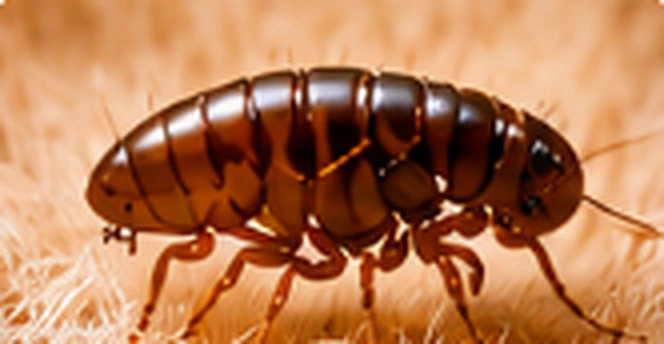
Fleas are tiny, fast-moving insects that feed on the blood of animals and, when pets are not available, on people. They are a problem for pet owners in particular, but a home does not need a dog or cat to have fleas. Wildlife and previous occupants can leave fleas behind.
Flea control is rarely a one-step job, because the insects you see on a pet or in the carpet are only part of the picture. This guide explains how fleas develop, how to recognize them, and what steps help prevent them from coming back.
Why Fleas Matter
Flea bites are itchy and uncomfortable, and for many pets they cause significant irritation. A few fleas can multiply fast, because adult females lay eggs soon after feeding. Left alone, a small problem can quickly spread through bedding, carpets, and furniture.
For homeowners, the challenge is that most of a flea population lives out of sight as eggs, larvae, and pupae in the environment, not as adults on the pet. For rental properties and pet-related businesses, repeated flea problems can lead to complaints and cleaning costs.
How to Identify Fleas
Adult fleas are very small, usually about an eighth of an inch or less. They are dark reddish-brown, flat from side to side, and wingless. Their strong back legs let them jump long distances relative to their size, which is the clearest way to tell them from many other tiny insects.
Flea dirt
Flea droppings, often called flea dirt, look like tiny black specks in pet fur or bedding. Place the specks on a damp white paper towel. If they smear reddish-brown, they are likely flea dirt, because the droppings contain digested blood.
Life stages
- Eggs: tiny and whitish. They are laid on the host but often fall off into carpet, bedding, and cracks.
- Larvae: small, worm-like, and avoiding light. They feed on organic debris, including flea dirt.
- Pupae: cocooned stage, often covered in debris and well protected.
- Adults: emerge when they sense movement, warmth, or vibrations from a possible host.
Fleas or something else?
Fleas are often confused with bed bugs, which crawl rather than jump, and with gnats or springtails. Carpet beetles can also leave irritating bites or rashes that mimic flea bites. If you are unsure, a captured specimen can be identified.
Flea Behavior and Habitat
The cat flea is the most common species and often infests dogs as well as cats. Adult fleas stay on animals, but the other stages are found where pets rest or where wildlife passes.
- Indoors: pet bedding, carpet, rugs, upholstered furniture, cracks in floors, and areas where pets sleep.
- Outdoors: shaded, humid areas with leaf litter, under decks, and where wildlife or stray animals rest.
- Dormancy: pupae can stay in their cocoons for weeks or longer until conditions signal a host is near, which explains why fleas sometimes seem to appear after a house has been empty.
- Seasonality: fleas thrive in warm, humid weather, but they can survive indoors year-round, including through winter.
Signs of a Flea Infestation
- Pets scratching, chewing, or biting at their skin more than usual
- Visible fleas or flea dirt in pet fur, especially near the base of the tail, belly, and neck
- Small, itchy red bites on people, often clustered around ankles and lower legs
- Tiny jumping insects on socks or pant legs, particularly after walking through carpet
- Pets avoiding certain rooms or resting spots
- Flea dirt in pet bedding, carpets, or furniture
A simple white-sock test, in which you walk across a carpeted area and check your socks, can reveal fleas.
What Causes Flea Problems
Fleas usually arrive on animals, but there are other routes:
- Pets that go outdoors or visit boarding facilities, groomers, parks, or other animals
- Wildlife such as raccoons, opossums, squirrels, and feral cats that visit or nest near buildings
- Stray animals in crawl spaces, porches, and sheds
- Used furniture, bedding, or rugs brought into the home
- Previous residents’ pets that left flea pupae behind
- Gaps under decks and porches where animals shelter
Potential Risks of Fleas
Skin irritation. Flea bites cause itching, and some pets develop flea allergy dermatitis, a strong reaction to flea saliva that leads to intense itching, hair loss, and skin infections.
Tapeworms. Pets can get tapeworms by swallowing fleas while grooming. Your veterinarian can advise on testing and treatment.
Anemia. Heavy infestations can cause blood loss, which is particularly serious in puppies, kittens, and small or ill animals.
Disease. Fleas can transmit certain diseases in some regions, such as murine typhus and, rarely, plague. Cat scratch disease is also associated with fleas on cats. Risk varies, and most flea problems in homes involve itching rather than serious illness.
Flea Prevention Tips
- Protect pets year-round. Ask your veterinarian about safe, effective flea preventives for your specific animal.
- Wash pet bedding regularly in hot water and dry on high heat.
- Vacuum frequently, including carpets, rugs, upholstery, and along baseboards, then empty the vacuum outside.
- Keep the yard tidy. Mow grass, remove leaf litter, and keep shady areas under decks cleaned out.
- Limit wildlife access by closing gaps under decks, porches, and sheds, and securing trash and pet food.
- Inspect secondhand items before bringing them inside.
- Check pets after outings, especially if they spend time outdoors.
What Homeowners Can Safely Do First
Helpful first steps
- Consult your veterinarian first for the pet. Never use a product intended for one species on another, because some dog products can be dangerous or fatal to cats.
- Wash all bedding, throw rugs, and washable fabrics, then dry them on high heat.
- Vacuum carpets, furniture, and cracks daily for a couple of weeks, discarding the bag or contents outdoors.
- Treat all pets in the household at the same time, as directed by your vet.
What to avoid
- Do not use foggers or bug bombs. They often miss the places where larvae and pupae hide.
- Do not use home remedies on pets without veterinary advice.
- Do not stop too early. Pupae can emerge for weeks, so one cleaning rarely finishes the job.
- Do not ignore the yard if animals rest there.
If fleas return after careful cleaning and pet treatment, there may be a source in the yard, crawl space, or neighboring wildlife, which calls for a more thorough inspection.
When to Call a Professional
Contact a professional if fleas keep returning, if pets and people are both being bitten, if you find activity in several rooms or in a crawl space, or if you manage a rental property. A professional inspection can help locate the places fleas are developing, identify animals or conditions that sustain them, and recommend a plan that works alongside your veterinarian’s advice. Effective flea management usually combines pet treatment, thorough cleaning, and targeted control of the environment.
Toler Pest Control provides flea control for homes and businesses in Louisville, Kentucky. You can also learn about our residential pest control service. If you are not sure whether the biting insects are fleas, compare them with bed bugs.
Flea Control
Flea treatment for your home, with guidance for households with pets.
Frequently Asked Questions
How do I know if I have fleas?
Signs include pets scratching, black specks in fur, small itchy bites around your ankles, and tiny insects jumping from carpets or onto your socks.
Can I have fleas without pets?
Yes. Wildlife, stray animals, and flea pupae left by previous occupants can all cause infestations. Fleas can also arrive in used furniture or on visiting animals.
What is flea dirt?
Flea dirt is the droppings of fleas. It looks like black pepper specks. On a damp white paper towel, it smears reddish-brown because it contains digested blood.
Why do fleas keep coming back?
Most of the flea population exists as eggs, larvae, and pupae in the environment. Pupae can stay dormant and emerge later, so a single treatment often does not stop the cycle, especially if pets or wildlife continue to bring in new fleas.
Do fleas spread diseases?
They can. Fleas are associated with tapeworms in pets, flea allergy dermatitis, and in some regions diseases such as murine typhus. Serious human illness is uncommon, but you should see a healthcare provider if you have concerns.
How long does it take to get rid of fleas?
It varies, but it often takes several weeks because developing fleas can continue to emerge. Consistent pet treatment, cleaning, and prevention are important.
Can fleas live in carpet?
Yes. Eggs, larvae, and pupae can develop in carpets, rugs, and upholstery, especially in areas where pets rest.
Are flea bites dangerous to humans?
Most flea bites cause itching and mild irritation, though scratching can lead to infections. Some people react more strongly. Seek medical advice if a bite becomes infected or you develop an unusual reaction.
Related Pest Guides

Struggling With Fleas That Keep Coming Back?
Toler Pest Control is available 24 hours a day, 7 days a week. Call (844) 478-1021 to discuss flea concerns at your home or business.