
Wasp & Yellow Jacket Control
Wasp and yellow jacket nest treatment, with tips to help prevent a return.

Residential Service

Commercial Service

Targeted Treatment

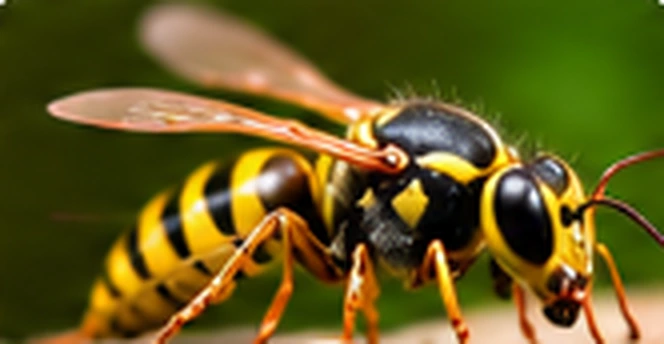
A paper nest tucked under the porch roof. A steady stream of yellow-and-black insects flying in and out of a hole in the lawn. A nest in the shed you only noticed when you opened the door. Stinging insects can turn ordinary parts of your property into places you’d rather avoid, and they can be dangerous if disturbed.
Toler Pest Control provides wasp and yellow jacket control for Louisville, Kentucky homes and commercial properties. Our service is available 24 hours a day, 7 days a week, so you can reach us when a nest is discovered, even outside normal business hours.
Call Toler Pest Control at (844) 478-1021 to talk about the stinging insects on your property.
What Wasp and Yellow Jacket Control Involves
Wasp and yellow jacket control is the professional management of stinging insect nests and activity around homes and businesses. It is different from most pest services because the primary concern is safety. These insects defend their nests aggressively, and attempting to remove a nest without the right knowledge and equipment can lead to multiple stings.
Professional service typically focuses on identifying the insect, locating the nest, assessing the risks, and managing the nest in a way that is appropriate to the species and location. It also looks at why the insects chose your property and what can be done to reduce the chance of new nests.
For broader pest concerns, see our General Pest Control page.
Wasps, Yellow Jackets, and Hornets: Telling Them Apart
People often use the words wasp, yellow jacket, and hornet interchangeably, but they’re different insects with different nesting habits. Identification matters because it affects where to look for a nest and how carefully to approach the problem.
Yellow Jackets
Yellow jackets are small to medium-sized, with bold yellow-and-black patterns. They are often compact and look less slender than paper wasps. Many build nests underground, in wall voids, or in other enclosed spaces, which makes them harder to spot. Colonies can grow large, and yellow jackets are known for defending the nest aggressively. In late summer and fall, they are often attracted to sweet drinks, sugary foods, and trash, which brings them into contact with people.
Paper Wasps
Paper wasps have slender bodies with long legs that dangle in flight. They build open, umbrella-shaped nests with visible cells, typically under eaves, porch ceilings, railings, doorframes, and other sheltered spots. They’re generally less aggressive than yellow jackets but will defend a nest when it’s disturbed, and nests near doors and walkways create a risk.
Hornets
Bald-faced hornets, which are technically a type of yellow jacket, and European hornets are sometimes found in the area. They build larger nests and can be highly defensive. Bald-faced hornet nests are often gray, football-shaped, and found in trees, shrubs, or on structures.
Mud Daubers and Other Wasps
Mud daubers are solitary wasps that build small mud tubes on walls, in garages, and under eaves. They are generally non-aggressive. Other solitary wasps and some bees may also be mistaken for stinging pests, and not all of them require control.
Common Problems and Nesting Areas
Stinging insects look for sheltered, protected places to build nests. The location of the nest determines how risky it is.
Where Nests Are Commonly Found
- Eaves, soffits, and roof overhangs
- Porch ceilings, decks, railings, and pergolas
- Doorframes, window frames, and shutters
- Sheds, garages, and attics
- Wall voids and gaps in siding
- Trees, shrubs, and hedges
- Playground equipment
- Mailboxes, grills, and outdoor furniture
- Holes in the ground, lawns, and landscaping (especially yellow jackets)
- Dumpsters and trash areas
Seasonal Patterns
Most stinging insect colonies begin small in spring, when a single queen starts building a nest. Over the summer, the colony grows, and by late summer or early fall, the number of workers can be at its highest. That’s often when people notice activity, and when stings become more likely. Colonies of annual species die off in cold weather, and the old nests are typically not reused, although new queens can start new nests the following year.
Signs of Stinging Insect Activity
- Insects repeatedly flying to and from the same spot
- A visible nest, whether papery, mud, or in the ground
- Increased activity around doors, windows, or eaves
- Buzzing or scratching sounds in walls or ceilings
- Wasps or yellow jackets hovering around trash, drinks, or food
- Stings with no obvious cause
- Chewed wood fibers or papery material near a suspected nest site
Why Professional Wasp and Yellow Jacket Control Matters
Stinging insects aren’t just annoying. They can cause serious problems when nests are near people.
- Stings can be dangerous. Stings are painful, and for people with allergies, they can cause severe reactions that require emergency medical care. Multiple stings can be dangerous even for people without known allergies.
- Nests are defended. Disturbing a nest can trigger a swarm response, and some species can sting repeatedly.
- Hidden nests are a risk. Underground and wall-void nests can be hard to see, and lawn mowers, trimmers, and renovation work can disturb them unexpectedly.
- Location matters. Nests near doors, playgrounds, patios, and walkways increase the chance of contact.
- DIY attempts can go wrong. Spraying a nest from a ladder, or trying to burn, flood, or knock it down, can lead to stings, falls, injuries, or fire hazards. Product labels should always be followed.
- Wall voids can create secondary problems. Treating a nest inside a wall may require care, because dead insects and nest material can lead to odors or attract other pests.
If anyone in your household has a known insect sting allergy, take stinging insect activity especially seriously. If someone is stung and has trouble breathing, swelling of the face or throat, dizziness, or other severe symptoms, call 911 immediately.
Our Approach to Stinging Insect Management
Professional stinging insect management starts with identification and safety. Extension programs and public agencies generally recommend that nests in hard-to-reach, hidden, or large-colony situations be handled by trained professionals.
In general, a professional approach includes the following.
Identifying the Insect
Correct identification affects how the nest should be approached. It also helps rule out beneficial or non-aggressive insects, such as solitary wasps or bees, that may not need to be treated.
Locating the Nest
Finding the nest can take careful observation. Following flight paths and examining eaves, structures, vegetation, and the ground can help locate nests that aren’t immediately visible.
Assessing Risk
Where the nest is located, how active it is, and who uses the area all matter. A nest in a remote tree is different from one beside a front door or a child’s play area.
Treatment Considerations
Treatment options depend on the species, the nest size and location, and the property. Safety for people and pets is a priority, and the timing, methods, and precautions should be discussed with you in advance. You may be asked to keep people and pets away from the area during service.
Nest Removal, Prevention, and Follow-Up
Depending on the situation, removing the nest after it’s treated can help prevent reuse of the site and reduce the chance of other pests moving in. Prevention efforts focus on sealing access points, managing food sources, and reducing attractive nesting areas. Follow-up may be recommended if activity continues.
Wasp and Yellow Jacket Control for Homes and Businesses
Homes and Yards
Homeowners most often find nests on eaves, porches, sheds, decks, and in lawns and landscaping. Because families spend time outside, nests near patios, play areas, and entrances are particularly concerning. For more on protecting your home, see our Residential Pest Control page.
Restaurants and Outdoor Dining
Yellow jackets and wasps are drawn to sugary drinks, food scraps, and open trash. Businesses with patios or outdoor seating may see increased activity in late summer and fall.
Schools, Parks, and Playgrounds
Places where children gather call for prompt attention to nests, since children may not recognize the warning signs.
Apartment Complexes and Multi-Unit Properties
Common areas, balconies, rooflines, and landscaping can all host nests. Coordination with property management helps ensure issues are reported and handled quickly.
Offices, Retail, and Commercial Properties
Entrances, loading docks, rooflines, signs, and landscaping can host nests that affect employees and customers. See our Commercial Pest Control page for more about business property management.
Benefits of Professional Wasp and Yellow Jacket Control
No provider can promise that stinging insects will never nest on your property again, since new queens can start nests each spring. What professional service can offer is practical:
- Safer nest handling. Trained professionals work with protective gear and an understanding of how these insects behave.
- Accurate identification. Knowing what you have helps determine the right approach.
- Finding hidden nests. Underground and wall-void nests aren’t always visible.
- Reduced risk for your household. Dealing with a nest reduces the chance of stings.
- Guidance on prevention. Recommendations on food sources, trash, and access points help lower the risk of future nests.
- Peace of mind. You can use your yard and entrances without worrying about what’s overhead.
Practical Tips to Reduce Stinging Insect Problems
These habits can help lower the risk of stings and new nests:
- Keep your distance from nests. Don’t poke, spray, or try to remove a nest yourself, particularly if it is large, high up, or hidden.
- Check your property regularly in spring. Early nests are small, and looking under eaves, porches, sheds, and railings can catch problems sooner.
- Seal gaps and holes. Repair openings in siding, soffits, and screens that could provide access to wall voids and attics.
- Cover trash and recycling. Use tight-fitting lids, and clean bins regularly.
- Be careful with food and drinks outdoors. Cover sweet drinks and food, and clean up spills promptly.
- Clean up fallen fruit. Fruit trees and gardens can attract yellow jackets.
- Fill holes in the ground only if you’re sure they are not active nests. If you see insects entering and leaving a hole, stay away and call a professional.
- Watch for nests before mowing or trimming. Disturbing an underground nest can provoke an attack.
- Teach children to stay away from nests.
For more on stinging insect species, visit our Pest Library.
Why Contact Toler Pest Control for Wasps and Yellow Jackets?
Toler Pest Control is a professional pest control company located at 1817 Shady Ln in Louisville, Kentucky, serving local homes and businesses.
- Available 24 hours a day, 7 days a week. Stinging insect nests can appear without warning, and you can reach us whenever you find one.
- A safety-first mindset. We want to understand the risk to your household before recommending a course of action.
- Clear communication. You’ll know what we found and what your options are.
- A Louisville focus. Our work is centered on the local community.
If you’re unsure whether the insects you’re seeing are wasps, yellow jackets, or something else, call and describe them. We’ll help you decide what to do next.
Found a Nest? Call Toler Pest Control.
A stinging insect nest near your home or business is a safety concern, and it’s best not to deal with it alone. If you’ve spotted wasps or yellow jackets at your Louisville property, tell us what you’re seeing and we’ll help you plan your next step.
Call Toler Pest Control at (844) 478-1021. We’re available 24 hours a day, 7 days a week.
Frequently Asked Questions
What's the difference between a wasp and a yellow jacket?
Yellow jackets are a type of wasp. They are typically more compact and boldly marked, often nest underground or in wall voids, and are known for defending nests aggressively. Paper wasps are slimmer, with dangling legs, and build open, umbrella-shaped nests under eaves and other sheltered spots. Identification helps determine how a nest should be approached.
Can I remove a wasp or yellow jacket nest myself?
It’s generally not recommended, especially for large, high, hidden, or underground nests. Disturbing a nest can provoke a swarm and multiple stings, and falls from ladders are another risk. Never try to burn, flood, or block a nest. If you do attempt anything, follow all label directions and prioritize safety.
Why are there so many yellow jackets around in late summer?
Colonies grow throughout the summer, reaching peak size in late summer and early fall. At the same time, natural food sources decline, and yellow jackets are drawn to sweet drinks, food scraps, and trash. That combination increases the chance of encounters at cookouts, restaurants, and outdoor events.
What should I do if I'm stung?
For a minor sting, wash the area with soap and water, apply a cold compress, and watch for signs of infection. If you have trouble breathing, swelling of the face or throat, dizziness, or other severe symptoms, call 911 immediately. If you have a known allergy, follow your doctor’s emergency plan.
Do wasps and yellow jackets reuse old nests?
Nests of annual species are generally not reused, since the colony dies off in cold weather. However, queens may build new nests nearby the following spring, sometimes in the same general area. Removing old nests and sealing access points can help reduce the chance of new ones.
When is the best time to deal with a nest?
Early in the season, nests are small and easier to manage, but it’s possible to address them any time you notice them. Nests near doors, walkways, and play areas shouldn’t be left. A professional can advise on timing and safety based on the nest and its location.
What if the nest is inside my wall?
Nests in wall voids can be difficult to treat safely, and sealing the entry hole without proper treatment can send insects into your living space. Treating the nest may also leave dead insects and nest material in the wall. A professional can assess the situation and recommend a careful approach.
Are all stinging insects dangerous?
No. Many bees and solitary wasps are beneficial or non-aggressive, and some, like honey bees, are important pollinators and may need to be handled by a beekeeper rather than treated. Identification helps determine whether control is necessary or whether a different solution is better.