
Flies: Common Types, Breeding Sources, and How to Stop Them
Learn how to identify house flies, fruit flies, drain flies, and other common flies, and how to remove what attracts them.

Identification Guide

Prevention Tips

24/7 Contact

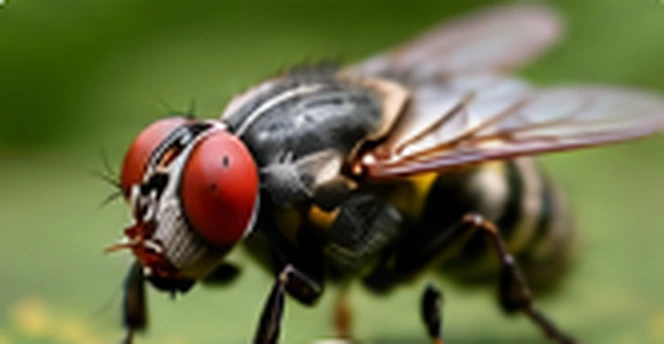
A single fly in the kitchen is easy to ignore. A growing number of them usually means something is feeding or breeding nearby, whether that is spoiled produce, a slimy drain, a trash can, or even something unseen inside a wall.
The key to controlling flies is figuring out which type you have, because different flies breed in very different places. This guide explains how to tell them apart, what causes them to multiply, and what actually helps.
Why Flies Matter
Flies are more than irritating. Many species feed and breed on garbage, animal waste, and decaying material, and then land on food and kitchen surfaces. They can carry germs on their bodies and legs, and house flies in particular regurgitate and leave droppings as they feed.
In homes, flies are mostly a nuisance and a hygiene concern. In restaurants, groceries, and other food-related businesses, even a small number of flies can lead to complaints, failed inspections, and damage to reputation.
How to Identify Common Flies
Identification matters because the source of the problem depends on the species.
House flies
About a quarter of an inch long, gray with four dark stripes on the back. They are attracted to garbage, pet waste, and decaying food, and they are strong, active fliers.
Fruit flies
Very small, usually tan or brownish with red eyes. They hover near ripening or fermenting fruit, vegetables, spilled drinks, and trash, and often appear suddenly after groceries come home.
Drain flies
Small, fuzzy, and moth-like, with wings held roof-like over the body. They tend to rest on walls near sinks, tubs, and floor drains, and breed in the film of organic matter inside drains.
Phorid flies
Small, humpbacked flies that run in quick, jerky movements across surfaces rather than flying off immediately. They breed in decaying matter, including food waste, damaged drains, and, in some cases, broken sewer lines.
Blow flies and cluster flies
Blow flies are larger, often metallic blue or green, and are attracted to meat, carrion, and garbage. Cluster flies are slower, dull gray, and often appear in large numbers in fall as they seek shelter in attics and walls.
Flies versus gnats
Fungus gnats are small, dark, delicate insects associated with overwatered houseplants and damp potting soil. They are often confused with fruit flies.
Fly Behavior and Habitat
Flies develop through a complete life cycle of egg, larva (maggot), pupa, and adult. In warm weather, many species can complete this cycle in a matter of days to a couple of weeks, so populations can grow quickly.
- House flies lay eggs in garbage, manure, pet waste, and decaying organic matter.
- Fruit flies breed in fermenting produce, spilled sugary liquids, and residue in bins and drains.
- Drain and phorid flies breed in drain slime, damaged plumbing, and damp organic buildup.
- Cluster flies develop outdoors, on earthworms in soil, and overwinter in protected indoor spaces.
- Seasonal activity: outdoor flies increase in warm weather, while some species become indoor nuisances in fall and winter.
Signs of a Fly Problem
- Several flies resting on windows, walls, and counters
- Small flies rising from drains, trash cans, or fruit bowls
- Maggots or larvae in garbage or in a damp, hidden source
- Dark specks on windows, light fixtures, and walls, which may be fly droppings
- Large numbers of flies in an attic, a wall void, or near a window in fall, which may point to cluster flies
- A sudden group of large, metallic flies indoors, which can sometimes indicate a dead animal in a wall, attic, or crawl space
The location where flies congregate is a clue to the source. Flies that stay near drains suggest a drain problem. Flies around a window may have come from inside the wall.
What Causes Fly Problems
- Uncovered or overflowing trash, recycling, and compost
- Pet waste in yards and litter boxes that are not cleaned often
- Overripe fruit and vegetables left on counters
- Dirty drains, grease traps, floor drains, and garbage disposals
- Spilled drinks and food residue under appliances and in bins
- Damaged screens, open doors, and gaps around windows
- Dead animals, such as rodents, in walls, attics, or crawl spaces
- Overwatered houseplants
Potential Risks of Flies
Contamination. Flies can pick up microorganisms from waste and transfer them to food and surfaces. The Centers for Disease Control and Prevention notes that flies can carry pathogens, and filth flies have been linked to the spread of some intestinal diseases, especially where sanitation is poor.
Food safety concerns for businesses. Even limited fly activity in a restaurant or food facility can create compliance problems and customer complaints.
Signs of another issue. A sudden, unexplained increase in flies can be a clue to broken plumbing, an overlooked waste source, or a dead animal.
Annoyance. Flying insects landing on food, drinks, and people are unpleasant and can reduce the comfort of homes and outdoor spaces.
Fly Prevention Tips
- Manage trash. Use tight-fitting lids, rinse containers, and empty them regularly. Keep bins away from doors.
- Clean drains. Scrub the inside of drains with a stiff brush to remove buildup, and run hot water regularly. A professional-grade cleaner may be needed for stubborn buildup.
- Store produce carefully. Refrigerate ripe fruit or keep it in sealed containers, and discard spoiled items promptly.
- Wipe spills and clean under appliances, in recycling bins, and around dish areas.
- Pick up pet waste frequently and clean pet feeding areas.
- Keep screens in good repair and use door sweeps, and keep doors closed when possible.
- Seal gaps around windows, doors, vents, and utility lines to reduce entry.
- Do not overwater houseplants, and let the top layer of soil dry between waterings.
What Homeowners Can Safely Do First
Helpful first steps
- Identify the type of fly and note where it is most active.
- Remove the likely source: take out trash, discard spoiled produce, clean drains, and wipe spills.
- Use fly swatters, sticky traps, or other non-chemical tools to reduce the adults you can see, while you remove their breeding source.
- Check for hidden sources, such as a dead rodent or damp organic buildup under appliances.
What to avoid
- Do not rely on aerosol sprays alone. They may kill the flies you see but do not address breeding sites.
- Do not use foggers or bug bombs in kitchens or around food.
- Do not ignore a sudden increase in large flies indoors. Check carefully for a possible dead animal, and use caution when cleaning up.
- Do not mix household chemicals in drains. Some combinations can release dangerous fumes.
If flies keep returning after you have cleaned and removed the sources you can find, the source is probably hidden, which is where a professional inspection helps.
When to Call a Professional
Consider contacting a professional if flies persist after cleaning, if you cannot find the source, if you see large numbers in an attic or wall, if you suspect plumbing damage or a dead animal, or if your business serves or stores food. A professional inspection can identify the species, locate hidden breeding sites, and recommend a plan appropriate for your property, often combining sanitation, exclusion, and targeted control.
Toler Pest Control addresses flies as part of our general pest control service for homes and businesses in Louisville, Kentucky. You can also review our commercial pest control and residential pest control services. Unexplained flies can sometimes point to other pests, so see our guide to rodents and cockroaches.
General Pest Control
Inspection and treatment for common household pests, plus prevention advice.
Frequently Asked Questions
Where do house flies come from?
House flies breed in garbage, animal waste, and decaying organic material, then move indoors through open doors, gaps, and damaged screens.
Why do I have tiny flies in my kitchen?
They are often fruit flies, drain flies, or phorid flies. Check for overripe produce, spills, trash, and drains. Where the flies concentrate usually points to the source.
How do I get rid of drain flies?
Scrub the inside of drains to remove the organic film they breed in, and address any plumbing leaks or damage. Treating only the adult flies will not solve the problem.
Why are there so many flies in my attic in the fall?
These are often cluster flies. They develop outdoors and seek shelter inside buildings as temperatures drop, gathering in attics and wall voids.
What does it mean if I suddenly see large, shiny flies indoors?
Blow flies can be a sign that something has died nearby, such as a rodent in a wall, attic, or crawl space. Searching for the source and removing it is important.
Are flies dangerous?
Flies can carry bacteria and other microorganisms on their bodies and legs and contaminate food and surfaces. The risk is greater where sanitation is poor, especially in food settings.
How fast do flies reproduce?
In warm weather, many species can complete their life cycle in a matter of days to a couple of weeks, so a small problem can grow quickly if the breeding source is not removed.
Do fly traps work?
Traps can reduce the adults in an area, but they do not eliminate the source. Removing breeding material and cleaning drains and trash areas is essential.
Related Pest Guides

Can’t Find the Source of Your Fly Problem?
Toler Pest Control is available 24 hours a day, 7 days a week. Call (844) 478-1021 to discuss fly concerns at your home or business.