
Ant Control
Targeted ant treatments that go after the source, not just the ants you see.

Residential Service

Commercial Service

Targeted Treatment
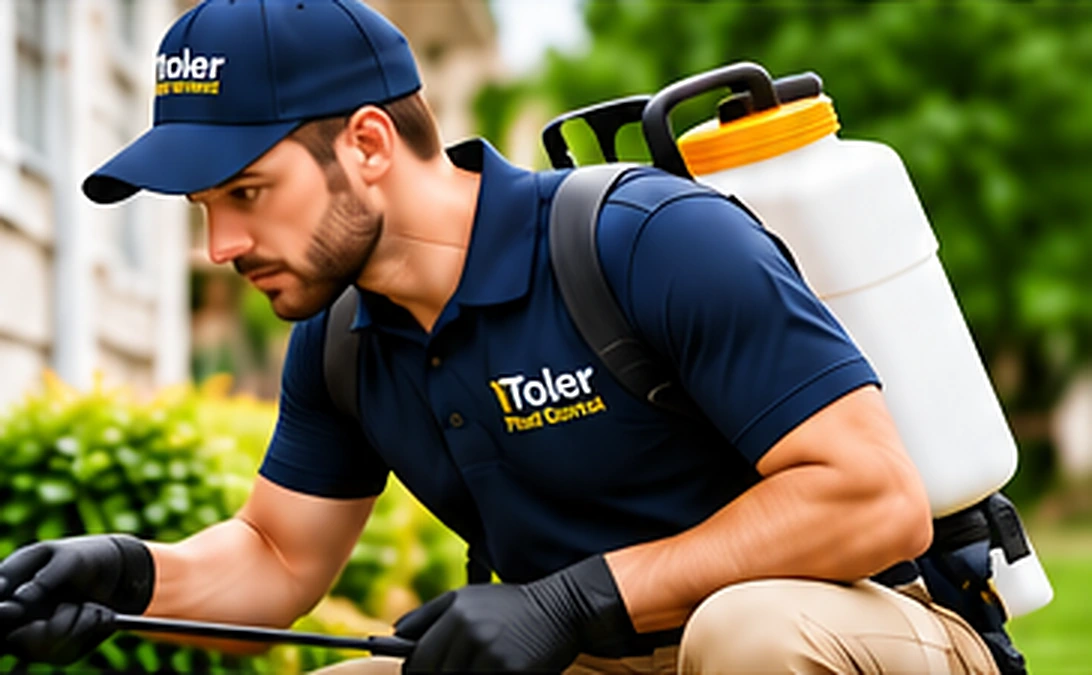
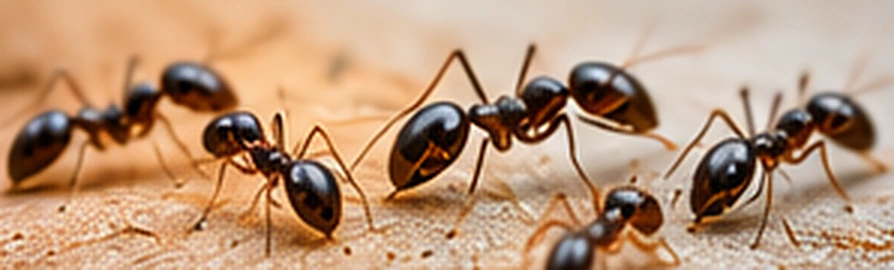
It usually starts with one ant on the counter. Then a line of them along the baseboard, a trail across the kitchen floor, or a swarm of winged insects near a window. Ants are persistent, organized, and surprisingly good at finding their way into homes and businesses.
Toler Pest Control provides ant control for Louisville, Kentucky homes and commercial properties. Our service is available 24 hours a day, 7 days a week, so you can reach us whenever an ant problem appears.
Call Toler Pest Control at (844) 478-1021 to talk about the ants you’re seeing.
What Ant Control Involves
Ant control is the professional management of ant activity in and around buildings. Unlike pests that wander in randomly, ants are social insects that live in organized colonies, send out foraging workers, and communicate through scent trails. Dealing with the ants you see is only part of the job. The goal is to address the colony behind them and the conditions that bring them to your property.
That’s why wiping up a trail and spraying a visible group often brings only temporary relief. New workers can follow the same route within hours, and some colonies have multiple nests or satellite sites that make them harder to eliminate.
If ants are one of several pest concerns, see our General Pest Control page for a broader overview.
Common Ant Problems in Louisville
Several ant species are commonly found around Kentucky homes and businesses. They differ in size, nesting habits, and the kinds of damage or nuisance they cause, which is why identification matters.
Odorous House Ants
These small, dark ants are known for the rotten, coconut-like smell they give off when crushed. They are attracted to sweets, form long foraging trails, and often nest in wall voids, under floors, and near moisture sources. Colonies can have multiple queens.
Pavement Ants
Pavement ants are small, brown to blackish ants that commonly nest in soil under sidewalks, driveways, and foundations. They may enter through cracks in concrete and are often seen in kitchens, basements, and on slab foundations.
Carpenter Ants
Carpenter ants are larger, usually black or reddish-black, and are known for nesting in wood. They don’t eat wood, but they excavate it to build nests, and over time this can damage structures, particularly wood that has been softened by moisture. Sightings of large ants indoors, especially in spring, or small piles of coarse, sawdust-like debris may signal activity.
Other Common Ants
Other species, such as field ants, acrobat ants, and sugar ants, are often found around homes and yards. Fire ants are less common in Kentucky than in some southern states, but may appear in certain areas.
What Draws Ants to a Property
- Sweet, greasy, or protein-based foods
- Crumbs, spills, and sticky residue
- Pet food and water bowls
- Moisture from leaks, condensation, or damp wood
- Trash and recycling bins
- Honeydew from pests on plants, which some ants feed on
- Cracks, gaps, and openings around doors and windows
- Branches and shrubs that touch the building
Signs of an Ant Problem
Ants are often easy to spot, but the signs of a deeper issue are easier to miss.
- Trails of ants following the same path along walls, counters, pipes, or floors
- Ants emerging from the same spot, such as an outlet, baseboard, or window frame
- Small mounds of soil along walkways, driveways, and the foundation
- Winged ants or discarded wings near windows and lights, which can indicate a mature colony
- Frass or sawdust-like debris below baseboards, window sills, or wood trim, which can point to carpenter ants
- Rustling sounds in walls, which can be associated with carpenter ant activity in some cases
- Ants returning after every cleaning, suggesting a persistent source nearby
Winged ants can easily be mistaken for termites. Because the two require very different responses, it’s worth having them identified rather than guessing.
Why Professional Ant Control Matters
A few ants in the yard are not a concern, but ants indoors tend to continue until their food source, water source, or nest is dealt with.
- Colonies are hidden. Nests may be in wall voids, under slabs, inside rotting wood, or underground, away from where you notice the trail.
- Visible ants are a small share. Foragers represent only part of a colony, so killing the ones you see doesn’t solve the problem.
- Some products scatter colonies. Certain sprays can cause colonies to split into multiple groups, making the problem harder to manage. Always follow label directions.
- Species matter. The right approach for odorous house ants may not suit carpenter ants, and misidentification can waste time.
- Some ants can cause damage. Carpenter ants, in particular, can contribute to structural damage when they nest in wood.
- Ants contaminate food. Ants moving through food storage and preparation areas raise sanitation concerns.
Our Approach to Ant Management
Successful ant management typically combines identification, locating the source, targeted treatment, and prevention. Extension programs and public agencies generally recommend this integrated approach over repeated spraying of visible ants.
In general, a professional approach includes the following.
Identifying the Ant Species
Species identification guides everything else, from where to look for nests to how treatment should be approached. Size, color, shape, and behavior all provide clues.
Tracing Trails and Finding Nests
Ant trails can lead to nests, but the path isn’t always obvious. A thorough inspection may include following trails, checking moisture-prone areas, examining the foundation and exterior, and looking for signs of nesting in wood, soil, or wall voids.
Understanding Why Ants Are There
Food, moisture, and access determine whether ants stay. Identifying what’s drawing them helps reduce the chance that new colonies move in once the first problem is addressed.
Treatment Considerations
Treatment options depend on the species, the nest location, the size of the colony, and the property. Because ants can be sensitive to certain treatments, and because children, pets, and food areas affect what is appropriate, methods and placement should be discussed with you in advance.
Prevention and Follow-Up
Sealing entry points, controlling moisture, managing food sources, and maintaining landscaping all help reduce recurrence. Follow-up may be recommended to confirm that activity has stopped or to catch new colonies early.
Ant Control for Homes and Businesses
Homes
In homes, ants commonly appear in kitchens, bathrooms, pantries, and around pet feeding areas. They may also nest in the yard, in mulch, under patios, or in damp or damaged wood. Spring and summer tend to be especially busy. Our Residential Pest Control page explains more about protecting your living spaces.
Restaurants and Food Service
Ants can be a serious concern in kitchens, dining rooms, and storage areas, where food residue is common and cleanliness is a priority. Prompt action helps protect customer confidence.
Offices, Retail, and Other Commercial Buildings
Break rooms, vending areas, and cafeterias attract ants in many commercial buildings. See our Commercial Pest Control page for more about business pest management.
Apartments and Multi-Unit Properties
Ants can move through shared walls and plumbing, so a problem in one unit can affect others. Cooperation among residents and building management is often needed.
Outdoor Areas and Landscaping
Patios, gardens, and lawns can host ant colonies that eventually move toward the building. Mulch, wood debris, and stacked firewood near foundations can encourage nesting.
Benefits of Professional Ant Control
No provider can guarantee that ants will never return, since new colonies can form on neighboring properties and spread. What professional help can offer is practical:
- Accurate species identification. Knowing which ant you have helps determine what to do.
- Focus on the source. The goal is to address the colony, not just the trail.
- A plan tailored to your property. Methods are chosen based on the pest, the property, and who uses it.
- Guidance on moisture and food sources. Specific advice helps address the reasons ants are present.
- Protection for wood and structures. Early detection of carpenter ants can help limit potential damage.
- Less trial and error. Many people spend months cycling through store-bought products.
Practical Ant Prevention Tips
These habits can help reduce ant activity:
- Wipe up spills and crumbs quickly. Pay attention to sticky residue and sweet spills.
- Store food in sealed containers. This includes sugar, honey, cereal, and pet food.
- Rinse recyclables and use lidded trash bins. Sweet residue attracts ants.
- Fix leaks and moisture problems. Damp wood and standing water support ants, especially carpenter ants.
- Seal cracks and gaps. Pay attention to areas around windows, doors, pipes, and the foundation.
- Trim plants and branches away from the building. Vegetation touching the structure gives ants a bridge.
- Keep mulch and firewood away from the foundation. Store firewood off the ground and away from the house.
- Clean pet feeding areas. Don’t leave food bowls out overnight.
For more on specific ant species, visit our Pest Library.
Why Contact Toler Pest Control for Ants?
Toler Pest Control is a professional pest control company located at 1817 Shady Ln in Louisville, Kentucky, serving local homes and businesses.
- Available 24 hours a day, 7 days a week. Ant problems can appear at any time, and you can reach us when they do.
- A focus on the source. We want to understand where the ants are coming from, not only where you see them.
- Clear communication. You’ll know what we found and what your options are.
- A Louisville focus. Our work is centered on the local community and the pests that come with it.
If you aren’t sure what kind of ant you have, call and describe what you’re seeing. We’ll help you decide what to do next.
Tired of Ants? Call Toler Pest Control.
Ants don’t usually go away on their own, and the longer a colony settles in, the harder it can be to manage. If you’re seeing ants in your Louisville home or business, tell us what you’re finding and we’ll help you plan your next step.
Call Toler Pest Control at (844) 478-1021. We’re available 24 hours a day, 7 days a week.
Frequently Asked Questions
Why do I keep seeing ants in my kitchen?
Ants usually come inside looking for food, water, or shelter. Crumbs, sticky residue, pet food, and moisture all attract them, and a scout that finds a source will lay a scent trail for others to follow. Cleaning helps, but recurring ants may indicate a nest nearby or an entry point that hasn’t been addressed.
How can I tell carpenter ants from other ants?
Carpenter ants are larger than most household ants and are usually black or reddish-black. They nest in wood and may leave coarse, sawdust-like debris. Because other ants can look similar, and carpenter ants can be linked to moisture-damaged wood, it’s best to have suspected activity identified by a professional.
Are ants harmful?
Most household ants are more of a nuisance than a danger, but they can contaminate food and are frustrating to live with. Some species, such as carpenter ants, can damage wood, and others, like fire ants, can sting. The risk depends on the species, which is why identification is useful.
Are flying ants the same as termites?
No, but they can look alike. Winged ants and winged termites both swarm, but ants have narrow waists, bent antennae, and unequal wing lengths, while termites have broad waists, straight antennae, and wings of similar size. Because the response differs greatly, have swarming insects identified if you’re unsure.
Can I get rid of ants with store-bought sprays?
Sprays may kill visible ants but often don’t reach the colony, and some can cause colonies to split into multiple groups. Baits are sometimes used for certain species but should be selected and used carefully, following label directions. If ants keep returning, professional identification and assessment can help.
Why do ants show up after rain?
Heavy rain can flood nests and push ants indoors in search of dry shelter. They may also move toward buildings when soil is saturated. Sealing gaps around doors, windows, and the foundation, and addressing moisture problems, can help reduce the chance of them entering during wet weather.
Do ants come back after treatment?
They can. New colonies may move in from neighboring properties or from untreated areas of your yard, and attractants like food and moisture can draw them back. Professional service aims to resolve current activity and reduce future risk, but no provider can promise permanent prevention.
Is ant treatment safe for pets and children?
Safety depends on the pest, the methods, and where they are used. Tell your provider about children, pets, and any health sensitivities in advance so they can be considered. Follow any instructions you’re given about treated areas, and never apply ant products yourself in places children or pets can reach.