
Wasps: Nest Types, Stinging Risks, and Safe Prevention
Learn how to identify common wasps, recognize nests early, and understand when removal is better left to a professional.

Identification Guide

Prevention Tips

24/7 Contact

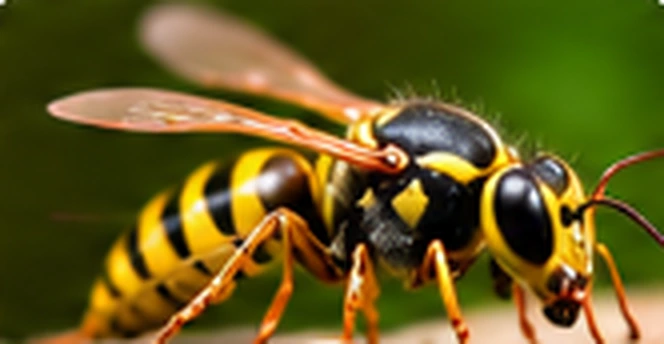
Wasps are beneficial insects in many ways. They prey on caterpillars, flies, and other pests, and some also help pollinate plants. But when they build nests on your porch, under your eaves, or near a doorway, they become a real safety concern, particularly for children and anyone with a sting allergy.
This guide explains how to identify common wasps and their nests, what the stinging risks are, and what you can do safely before calling for help.
Why Wasps Matter
Wasps will defend their nests, and a nest in a busy place can lead to repeated stings. Colonies grow through the season, and a small nest in spring can become far more populous by late summer. Early detection makes a significant difference.
For homeowners, the most common concerns are stings near entrances, decks, play areas, and gardens. For businesses, a nest near an entrance or outdoor seating can affect customers and employees.
How to Identify Wasps
Wasps have slender, smooth bodies with a narrow waist between the thorax and abdomen, and two pairs of wings. They are less hairy than bees. Colors range from brown to black to yellow patterned.
Paper wasps
Slim wasps, usually brown, reddish, or black with some yellow markings, with long legs that dangle in flight. They build open, umbrella-shaped nests with visible hexagonal cells, usually under eaves, porch ceilings, railings, and shutters.
Mud daubers
Long, thin wasps with a very slender waist. They build tube-like or organ-pipe-shaped mud nests on walls, in garages, and under overhangs. Mud daubers are solitary and rarely sting.
Bald-faced hornets
Black with white markings on the face and abdomen. They build large, gray, football-shaped paper nests in trees, shrubs, and sometimes on buildings. They are aggressive when their nest is disturbed.
Wasps versus bees and yellow jackets
Honey bees and bumble bees are robust, hairy, and rarely aggressive away from the hive. Yellow jackets are stouter, bright yellow and black, and often nest in the ground or in wall voids. See our guide to yellow jackets for details.
Wasp Behavior and Habitat
Most social wasps follow an annual cycle. A fertilized queen emerges in spring, builds a small nest, and raises the first workers. The colony grows through summer, and by late summer or early fall it reaches its peak size and begins producing new queens and males. After the first hard frosts, the colony dies off, and only the new queens survive by sheltering through the winter.
- Nest sites: eaves, soffits, porch ceilings, attics, sheds, grills, mailboxes, playground equipment, and tree branches.
- Feeding: adults feed on nectar and sugary foods, while larvae are fed insects and other proteins.
- Defensive behavior: wasps defend the nest vigorously, and activity around it can become more intense in late summer.
Old nests are generally not reused, but new queens may build nearby in the same favorable sheltered spots the next season.
Signs of a Wasp Problem
- A visible paper, mud, or gray papery nest on or near the building
- Wasps repeatedly flying to and from the same spot
- Single wasps patrolling porches, decks, or entry doors in spring
- Buzzing sounds from soffits, siding, or attic spaces
- Wasps hovering around trash, outdoor dining areas, or sweet drinks
- Stings with no obvious cause around doors, grills, or shed entrances
Spring is the best time to check, because nests are small and easier to deal with. Look under eaves, behind shutters, under railings, and in sheds.
What Causes Wasp Problems
Wasps pick sheltered, undisturbed locations near a food supply. They are drawn by:
- Overhangs, soffits, and gaps that provide protected nest sites
- Open trash cans, compost, and food scraps
- Sweet drinks, fruit, and pet food left outdoors
- Flowering plants and gardens that supply nectar
- Insects such as caterpillars and flies, which feed wasp larvae
- Quiet, little-used spaces like sheds, grills, and garages
Potential Risks of Wasps
Stings. A wasp can sting repeatedly. For most people, a sting causes pain, redness, and swelling that fade within a day or two.
Allergic reactions. Some people have severe allergic reactions, called anaphylaxis, which can become life-threatening. Warning signs include trouble breathing, swelling of the face or throat, widespread hives, dizziness, a rapid pulse, or vomiting. Call 911 immediately if these occur.
Multiple stings. Disturbing a nest can lead to many stings at once, which can be dangerous even for people who are not allergic.
Hidden nests. Nests inside wall voids or attics can sometimes lead wasps into living spaces, and nests near entrances create ongoing risk.
Wasp Prevention Tips
- Inspect early. Check eaves, porches, sheds, and railings in spring for small starter nests.
- Seal gaps in siding, soffits, vents, and utility openings, and use screens on vents.
- Keep trash covered and clean bins to reduce odors.
- Manage food outdoors. Cover drinks and food during outdoor meals, and clean up promptly.
- Keep grills and outdoor furniture covered or checked before use.
- Reduce harborage. Limit clutter in sheds and garages, and trim branches near the house.
- Be thoughtful with plants. Place heavy nectar sources a distance from doors and seating areas where possible.
What Homeowners Can Safely Do First
Helpful first steps
- Keep people and pets away from the area, and avoid sudden movements and loud vibrations near the nest.
- Note the location, size, and activity level, and take a photo from a safe distance.
- If a sting occurs, move away calmly, remove the stinger if present, wash the area, and apply a cold compress.
- Seek medical help immediately for signs of a severe allergic reaction.
What to avoid
- Do not knock down, hit, or spray water at a nest.
- Do not block the entrance to a nest inside a wall or structure. Trapped insects may chew into living spaces.
- Do not use fire, gasoline, or other flammable or hazardous substances.
- Do not remove a large or high nest yourself, particularly while standing on a ladder.
- Do not attempt removal if anyone nearby has a sting allergy.
A small, newly started nest in an easy-to-reach, safe location may be manageable with a product labeled for wasps, used exactly as directed. For anything larger, in a hard-to-reach location, or inside a structure, professional help is the safer choice.
When to Call a Professional
Call a professional when a nest is large, high, hidden, or near an entrance or play area, when anyone in the household has a known sting allergy, or when you are not certain what type of insect you have. A professional can identify the species, assess the safest way to approach the nest, and recommend ways to reduce the chance of new nests nearby.
Toler Pest Control provides wasp and yellow jacket control for homes and businesses in Louisville, Kentucky. You can also see our residential pest control and commercial pest control services.
Wasp & Yellow Jacket Control
Wasp and yellow jacket nest treatment, with tips to help prevent a return.
Frequently Asked Questions
How can I tell a wasp nest from a bee hive?
Paper wasp nests are open, umbrella-shaped combs of papery material with visible cells, usually under eaves. Honey bees build wax combs inside cavities or hives. Hornet nests are enclosed gray paper structures, often football-shaped.
When are wasps most active?
Wasps are active in warm months. Colonies are small in spring and reach peak size in late summer and early fall, when they may be most noticeable and defensive.
Do wasps die in winter?
Most social wasp colonies die off after the first hard frosts. Only fertilized queens survive by sheltering in protected places until spring.
Will wasps reuse an old nest?
Typically they do not reuse an old nest, but new queens may build nearby in the same sheltered locations.
What should I do if I am stung?
Move away from the area, remove any stinger, wash the site, and apply a cold compress. Seek emergency care if there are signs of a severe allergic reaction, such as trouble breathing or swelling of the face or throat.
Is it safe to remove a wasp nest myself?
It depends on the nest. Small, accessible nests may be manageable with extreme caution, but large, high, or hidden nests and nests near people who may be allergic are best handled by a professional.
Should I seal a hole where wasps are entering?
Not until you know the nest is gone. Sealing the entrance can drive wasps into the walls or living spaces. A professional can advise.
What attracts wasps to my yard?
Sheltered nesting spots, sweet foods and drinks, uncovered trash, flowering plants, and a supply of insects that serve as prey can all attract wasps.
Related Pest Guides

Found a Wasp Nest Near Your Home?
Toler Pest Control is available 24 hours a day, 7 days a week. Call (844) 478-1021 to discuss wasp activity at your home or business.