Browse plain-language guides to ten common household and commercial pests. Learn how to recognize them, understand why they appear, and know when it is time to call a professional.
10 Pest Guides
Identification Tips
Prevention Advice
Pest Library
Your Guide to Common Household Pests
The Pest Library is a collection of educational guides to the pests homeowners and business owners ask about most. Each guide explains what the pest looks like, where it hides, which warning signs to watch for, why it may have come in, and what you can safely do on your own.
These guides are meant to help you understand what you are seeing. They are not a substitute for an on-site inspection. When a problem is likely to need professional help, we say so plainly. Select a pest below to read its guide.
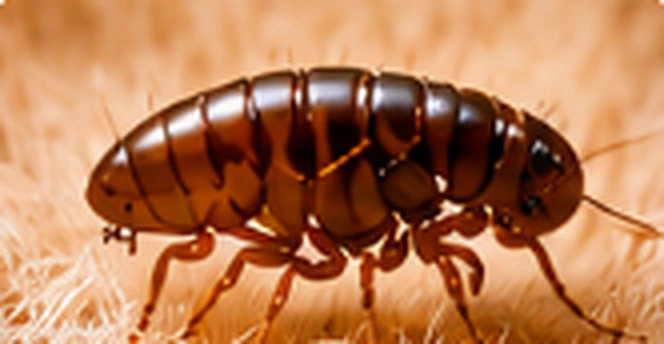
Bed Bugs
Inspection and targeted treatment for bed bug infestations.
Correct identification is the first step in any pest problem, because different pests need very different responses. A treatment that works for ants may do nothing for cockroaches, and the wrong approach can even make some problems worse. These four habits make identification easier.
Note size, color, and shape
Compare the pest with the guides below. Look at body shape, number of legs, wings, and any distinctive markings.
Record where you found it
Kitchens, bathrooms, attics, yards, and bedrooms each point to different pests. The location is often a strong clue.
Look for evidence
Droppings, gnaw marks, shed skins, webs, nests, and bite patterns can confirm a pest even when you cannot find the animal itself.
Capture a photo or specimen
A clear, close photo, or a specimen sealed in a jar or taped to a card, can help a professional identify the pest quickly. Do not handle stinging insects or spiders with bare hands.
Common Signs of Pest Activity
Pests rarely announce themselves. These are some of the most common signs that something is sharing your space:
Droppings, shed skins, or egg cases in cabinets, corners, and along baseboards
Gnaw marks on wood, wiring, or food packaging
Scratching, scurrying, or buzzing sounds in walls, ceilings, or attics
Trails of insects along counters, pipes, or walls
Nests, webs, mud tubes, or papery combs on or near the building
Itchy bites or welts that appear without an obvious cause
Musty, oily, or stale odors in enclosed areas
Why Pests Enter Homes and Businesses
Pests come indoors for the same reasons people want to be there: food, water, and shelter. Understanding what attracts them makes prevention much easier.
Food that is accessible, including crumbs, pet food, and open trash
Moisture from leaks, condensation, clogged gutters, and poor drainage
Shelter in clutter, cardboard, woodpiles, and dense vegetation against the building
Entry points such as gaps around doors, windows, pipes, vents, and utility lines
Hitchhiking on luggage, boxes, used furniture, deliveries, and pets
General Pest Prevention Recommendations
No single step prevents every pest, but these habits reduce the conditions most pests rely on:
Seal cracks and gaps, and repair torn screens and door sweeps
Store food, including pet food, in sealed containers
Use lidded trash cans, and take garbage out regularly
Fix leaks, dry damp areas, and keep gutters clear
Reduce clutter indoors, and replace cardboard storage with plastic bins when possible
Keep vegetation, mulch, and firewood away from the foundation
Inspect incoming items such as luggage, used furniture, and packages
When Professional Pest Control May Be Necessary
Some pest problems can be handled with good sanitation and simple exclusion, but others call for professional help. Consider contacting a pest control professional when:
Pests keep returning after you have cleaned and sealed obvious entry points
You see signs in several rooms, or you have signs that suggest rodents, bed bugs, or stinging insects
You are not sure what pest you have
Someone in the household has allergies, asthma, or a sting allergy
You manage a business where sanitation, inspections, or customer comfort matter
A professional inspection can identify the pest, find the source, and recommend a plan that fits your property.
Our Services
Related Pest Control Services
Looking for professional help rather than information? Toler Pest Control offers residential and commercial services in Louisville, Kentucky. Explore the services below to learn how we can help.
General Pest Control
Inspection and treatment for common household pests, plus prevention advice.
It is a collection of educational guides to ten common pests. Each guide covers identification, behavior, warning signs, risks, prevention, and safe first steps, so you can better understand what you are dealing with.
Compare size, color, and shape, note where you found it, look for evidence such as droppings or damage, and capture a clear photo. If you are still unsure, contact a professional for help.
No. Many are mostly a nuisance, but some can contaminate food, damage property, trigger allergies, or sting and bite. The guides explain the real risks for each pest without exaggeration.
If the problem keeps returning, spreads to more rooms, involves rodents, bed bugs, or stinging insects, or affects someone with allergies, a professional inspection is the safer next step.
Yes. Toler Pest Control provides residential and commercial pest control in Louisville, Kentucky. Our phone line is open 24 hours a day, 7 days a week.
Need Professional Pest Control Assistance?
Toler Pest Control is available 24 hours a day, 7 days a week. Call (844) 478-1021 to discuss your pest control needs.