
Yellow Jackets: Identification, Nest Locations, and Safety Tips
Learn how to recognize yellow jackets, find out where they nest, and understand why late summer is the most important time to be careful.

Identification Guide

Prevention Tips

24/7 Contact
Yellow jackets are among the most commonly encountered stinging insects in the United States, and among the most defensive. They are small enough to be mistaken for bees, yet they sting readily when a nest is threatened and can sting more than once. A nest in the ground near a walkway or a lawn can create a hazard before anyone realizes it is there.
This guide covers how to identify yellow jackets, where they build nests, what makes them more of a problem in late summer, and how to respond safely.
Why Yellow Jackets Matter
Yellow jackets are useful predators in spring and early summer, feeding on caterpillars, flies, and other insects. As the season goes on, however, colonies grow large, food sources shift, and the insects become more aggressive and more interested in human food and drink. The result is more stings around picnics, trash cans, outdoor dining areas, and lawn work.
A nest near a home or business can affect safety for family members, customers, and employees, and mowing or trimming near a hidden nest is a common way people get stung.
How to Identify Yellow Jackets
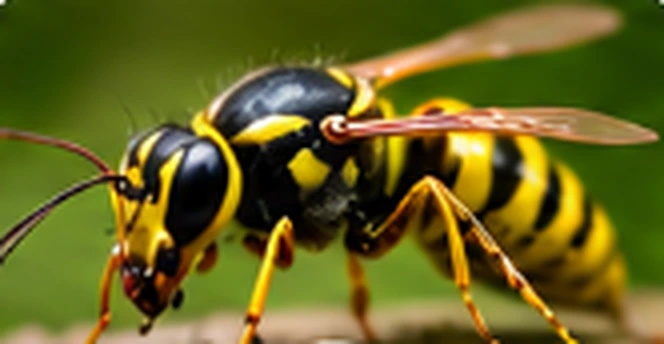
Yellow jackets are about half an inch long, with bold black and bright yellow bands, a narrow waist, and smooth, nearly hairless bodies. They fold their wings lengthwise when at rest and move quickly and erratically.
Yellow jackets versus similar insects
- Honey bees are fuzzy, golden-brown, and rounder. They are generally less aggressive away from the hive, and a honey bee usually can sting only once.
- Paper wasps are more slender with longer legs that hang down in flight, and they build open, umbrella-shaped nests. See our guide to wasps.
- Bald-faced hornets are larger, black and white, and build large enclosed paper nests above ground.
- Hover flies look like yellow jackets but have only one pair of wings, big eyes, and do not sting.
Several species of yellow jackets occur in the eastern United States, including the eastern yellow jacket, which is common in many areas. Species differ somewhat in nest location and behavior, but the safety advice is the same.
Yellow Jacket Behavior and Habitat
Yellow jackets are social insects that live in annual colonies. A single fertilized queen starts a small nest in spring. Workers take over as they hatch, and the colony grows through the summer. By late summer or early fall, a colony can contain many workers, and new queens are produced. After frost, the old colony dies, and only the new queens overwinter.
- Underground nests: many yellow jackets nest in abandoned rodent burrows, holes in lawns, and under landscaping timbers or tree roots. The only sign may be a small hole with insects flying in and out.
- Hidden nests in structures: wall voids, attics, crawl spaces, and spaces behind siding.
- Aboveground nests: some species build enclosed paper nests in shrubs, trees, or under eaves.
- Feeding: workers hunt insects in early summer and increasingly seek sweets and protein, such as soda, fruit, meats, and pet food, later in the season.
Disturbance, including vibration from mowers and trimmers, can trigger a defensive response from a nest several feet away.
Signs of a Yellow Jacket Problem
- A steady stream of yellow jackets entering and leaving a small hole in the ground or a gap in a wall
- Insects hovering around trash cans, recycling bins, and outdoor eating areas
- Yellow jackets landing on soda cans, fruit, and meat
- A buzzing or scratching sound in a wall or ceiling
- Stings occurring near the same spot in the yard or near an entrance
- Papery gray nest material visible in a tree, shrub, or on a structure
If you notice a flight path leading to one spot, avoid that area and do not stand close to watch.
What Causes Yellow Jacket Problems
Yellow jackets choose nest sites that are sheltered, protected, and close to food. Contributing factors include:
- Abandoned rodent burrows and holes in the yard
- Gaps in siding, soffits, and foundations that lead to wall voids
- Open or overflowing trash and recycling containers
- Sugary drinks, fruit, grilled meats, and pet food left outside
- Fallen fruit from trees and gardens
- Compost piles and food waste
Warm, dry weather can favor larger colonies, which is why problems often peak in late summer.
Potential Risks of Yellow Jackets
Painful, repeated stings. Yellow jackets do not lose their stingers and can sting repeatedly. They may also release an alarm scent, which helps other workers respond.
Allergic reactions. For some people a sting can cause a life-threatening reaction. Signs include swelling of the face or throat, difficulty breathing, widespread hives, dizziness, or a rapid heartbeat. Call 911 immediately if these occur.
Mass attacks. Accidentally disturbing a nest can lead to dozens of stings, which can be dangerous even for people who are not allergic, and especially for children, older adults, and pets.
Stings in food and drink. Yellow jackets may land in open cans or cups, so it is possible to be stung in the mouth or throat, which needs urgent medical attention.
Yellow Jacket Prevention Tips
- Cover trash and recycling with tight-fitting lids, and rinse containers.
- Keep food and drinks covered outdoors, and use clear cups or check cans before sipping.
- Clean up quickly after meals, spills, and pet feeding.
- Pick up fallen fruit and manage compost.
- Fill or fix holes and burrows in the lawn, once you are sure they are inactive.
- Seal gaps in siding, soffits, vents, and foundations.
- Inspect the yard before mowing, trimming, or gardening, and watch for insect traffic around holes or stumps.
- Check in spring for starter nests while they are still small.
What Homeowners Can Safely Do First
Helpful first steps
- Mark the area and keep children, pets, and visitors away. Pay attention from a distance of at least several feet.
- Avoid mowing, trimming, or using loud equipment near a suspected nest.
- If you are stung, move away quickly and calmly, wash the area, and apply a cold compress. Seek medical help if there are signs of a serious reaction.
- If you are being chased, run to a building or vehicle and avoid swatting.
What to avoid
- Do not pour gasoline, boiling water, or other substances into a nest. This is dangerous, harms the environment, and can make insects more aggressive.
- Do not plug a nest opening in a wall or structure, since trapped insects may find their way into the house.
- Do not approach a nest alone, at night with a flashlight, or without proper protection. Yellow jackets can still be active after dark and are drawn to light.
- Do not treat a nest if anyone nearby has a sting allergy.
Traps may reduce the number of foraging workers around a patio, but they do not eliminate a nest. Because yellow jacket nests are often hidden and defended aggressively, removal is usually safest when done by a professional.
When to Call a Professional
Contact a professional if you find a nest near a walkway, entrance, or play area, if stings keep happening, if the nest is in a wall or underground, or if anyone in the household has a known allergy. A professional can locate the nest, determine the species and the best approach, and use protective equipment and methods designed for safe removal. They can also recommend steps to reduce the risk of new nests nearby.
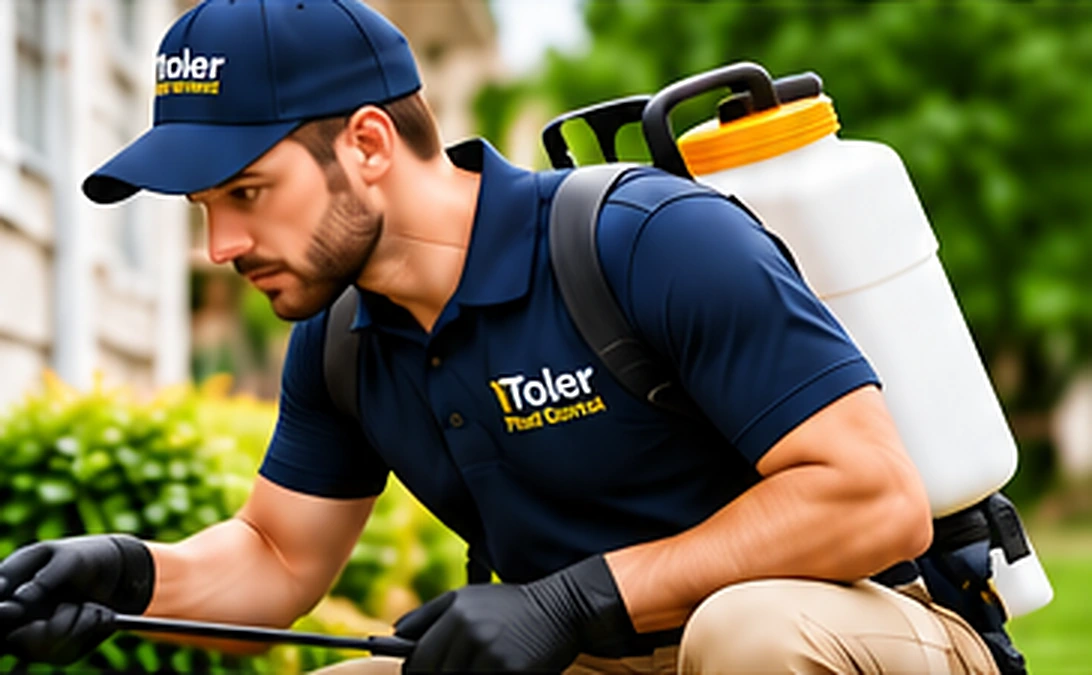
Toler Pest Control offers wasp and yellow jacket control for homes and businesses in Louisville, Kentucky. You can also explore our residential pest control and commercial pest control services. Because ants often nest in the same sheltered areas, you may also want to read about ants.
Wasp & Yellow Jacket Control
Wasp and yellow jacket nest treatment, with tips to help prevent a return.
Frequently Asked Questions
How can I tell a yellow jacket from a bee?
Yellow jackets are smooth, bright yellow and black, with a narrow waist. Honey bees are fuzzy and golden-brown. Yellow jackets are generally more aggressive and can sting repeatedly.
Where do yellow jackets build nests?
Many nest in the ground, often in abandoned rodent burrows. Others use wall voids, attics, crawl spaces, or build paper nests above ground in shrubs, trees, or under eaves.
Why are yellow jackets worse in late summer?
Colonies reach their largest size, natural prey declines, and workers look for sweets and protein, which brings them into contact with people at picnics, trash cans, and outdoor dining areas.
Do yellow jackets die in winter?
The colony dies after cold weather sets in, but young queens overwinter in sheltered spots and start new nests in spring.
What should I do if I find a nest in my yard?
Keep everyone away, avoid mowing near it, and do not try to flood or block it. Note its location from a distance, and contact a professional for removal.
Can yellow jackets sting more than once?
Yes. Unlike honey bees, yellow jackets do not lose their stingers and can sting repeatedly.
Are yellow jacket traps effective?
Traps can reduce the number of foraging yellow jackets in a limited area, but they do not remove the nest. They are not a replacement for professional nest removal.
When should I seek medical help after a sting?
Seek emergency care immediately for trouble breathing, swelling of the face, lips, or throat, widespread hives, dizziness, or a rapid heartbeat. Also seek help for many stings or stings in the mouth or throat.
Related Pest Guides

Found a Yellow Jacket Nest?
Toler Pest Control is available 24 hours a day, 7 days a week. Call (844) 478-1021 to discuss yellow jacket activity at your home or business.