
Spiders: Common Types, Venomous Species, and Safe Ways to Reduce Them
Learn how to identify common house spiders, recognize the few medically important species, and reduce spider activity safely.

Identification Guide

Prevention Tips

24/7 Contact

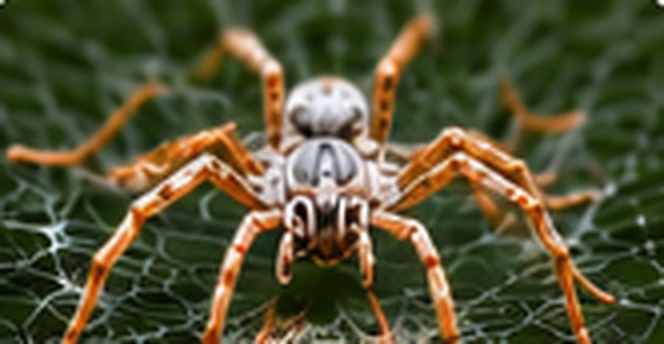
Few pests cause as much alarm as spiders, yet the great majority of the spiders found in homes are harmless and even helpful, because they eat other insects. Still, a small number of species can deliver medically significant bites, and spider webs and egg sacs in the wrong places can be a real nuisance.
This guide will help you recognize the spiders you are likely to find, understand when concern is warranted, and keep spiders from settling in.
Why Spiders Matter
Spiders are predators. They feed on flies, mosquitoes, and other pests, and they play a useful role outdoors. Problems arise when they build webs in high-traffic areas, produce large numbers of egg sacs, or when a venomous species establishes itself in a home, garage, or storage area.
A heavy spider presence often points to something else: a large population of insects that spiders are feeding on. Reducing that food supply is part of the solution.
How to Identify Common Spiders
Colors and sizes vary widely, but a few features help. Consider the shape of the body, web style, and where you found it.
Common house spider
Small, brownish, with a rounded abdomen. It builds tangled, irregular webs in corners, along ceilings, and in quiet spots. It is harmless to people.
Cellar spider ("daddy longlegs")
Pale, with extremely long, thin legs and a small body. It hangs in loose webs in basements, crawl spaces, and corners. It is harmless, and it is not the same as the harvestman.
Wolf spider
Brown or gray, hairy, and robust. Wolf spiders hunt on the ground rather than spinning webs to catch prey and may wander indoors in fall. Their bite is rarely a concern for healthy adults but can be painful.
Jumping and orb-weaving spiders
Jumping spiders are small, with large forward-facing eyes, and move in quick jumps. Orb weavers spin classic circular webs and are usually found outdoors on porches, shrubs, and eaves.
Black widow
Shiny black with a red hourglass marking on the underside of the female’s abdomen. Webs are messy and irregular, often near the ground in undisturbed places such as woodpiles, sheds, garages, and meter boxes. Black widows are present in Kentucky.
Brown recluse
Light to medium brown, with a darker violin-shaped mark on the back of the head region and six eyes arranged in three pairs. Its range includes parts of Kentucky. Many brown spiders are mistaken for brown recluses, so careful identification matters, and a clear specimen or photo helps.
Spider Behavior and Habitat
- Web builders use webs to catch prey and are usually found in corners, eaves, windows, and around outdoor lights where insects gather.
- Hunting spiders roam and may enter garages and homes.
- Common indoor hiding places include basements, attics, crawl spaces, closets, garages, sheds, and behind stored boxes.
- Venomous species such as black widows and brown recluses prefer quiet, cluttered, undisturbed areas.
- Seasonal patterns: spiders become more noticeable in late summer and fall, when mature males wander in search of mates and some species move indoors.
Spiders generally avoid people and bite defensively, often when trapped against skin in clothing, shoes, gloves, or bedding.
Signs of a Spider Problem
- Webs in corners, windows, eaves, and around outdoor lights
- Egg sacs, which look like small silk balls or papery cases
- Spiders found repeatedly in the same areas
- Large numbers of other insects, which can attract spiders
- Shed skins or dead spiders on window sills
- Irregular, tangled webs in woodpiles, meter boxes, and storage areas, which may indicate widow spiders
What Causes Spider Problems
Spiders move where there is shelter and prey. Likely contributors include:
- Large numbers of insects, including flies, ants, and moths
- Outdoor lights that attract insects, and therefore spiders, near doors and windows
- Clutter, cardboard boxes, and stored items in garages, basements, and attics
- Woodpiles, leaf litter, and dense plants against the house
- Gaps around doors, windows, vents, and utility lines
- Stored items from outdoor sheds or storage units moved into the home
Potential Risks of Spiders
Most spider bites are minor, and many skin problems are blamed on spiders when they are actually caused by other things, such as infections or other insects. Still, two groups deserve caution.
Black widows. Their bite can cause pain, muscle cramps, and other systemic symptoms. The Centers for Disease Control and Prevention advises seeking medical care if you suspect a widow bite.
Brown recluses. Bites are uncommon, but they can cause painful skin lesions in some cases. Seek medical care if a bite worsens.
If someone experiences severe symptoms, such as difficulty breathing, spreading redness, a rapidly worsening wound, or a bite from a child, call your healthcare provider or local poison control center at 1-800-222-1222. Call emergency services for severe reactions.
Beyond health, heavy webs and egg sacs can affect the appearance of homes and businesses.
Spider Prevention Tips
- Reduce clutter. Keep storage areas organized and use sealed plastic bins instead of cardboard boxes.
- Seal entry points. Repair screens, install door sweeps, and caulk gaps around windows, pipes, and utility lines.
- Control other insects, since they are spiders’ food.
- Adjust lighting. Use yellow or warm-toned bulbs near entrances, or move lights away from doors, to attract fewer insects.
- Clean regularly. Vacuum webs and egg sacs, and dust corners, ceilings, and under furniture.
- Tidy the yard. Keep woodpiles away from the house, trim shrubs back from walls, and remove leaf litter and debris.
- Shake out items such as shoes, gloves, and outdoor gear that have been stored in sheds or garages.
What Homeowners Can Safely Do First
Helpful first steps
- Do not handle spiders with bare hands. Use a jar and paper to capture a spider for identification if needed.
- Wear gloves when moving boxes, firewood, or items in sheds, garages, and basements.
- Vacuum visible spiders, webs, and egg sacs, and dispose of the contents outdoors.
- Use sticky traps in corners and along walls to learn which spaces have activity.
What to avoid
- Do not use foggers or bug bombs. They are generally ineffective against spiders hiding in cracks and can create safety risks indoors.
- Do not try to kill a suspected widow or recluse by hand.
- Do not assume every brown spider is a brown recluse.
- Do not self-diagnose skin problems. See a healthcare provider if a wound looks serious.
A single spider is not usually a sign of a major problem. If you repeatedly see spiders, find many egg sacs, or suspect a venomous species, an inspection is a sensible next step.
When to Call a Professional
Contact a pest control professional if you suspect black widows or brown recluses, if you keep finding spiders despite cleaning, if there are heavy webs around your property, or if you operate a business where spiders affect customers. A professional can identify the species, locate hiding places and the insect populations that support them, and recommend measures suited to your situation.
Toler Pest Control addresses spiders as part of our general pest control service for homes and businesses in Louisville, Kentucky. You can also review our residential pest control and commercial pest control services. Spiders often follow other insects indoors, so you may also find our guides to ants and flies useful.
General Pest Control
Inspection and treatment for common household pests, plus prevention advice.
Frequently Asked Questions
Are house spiders dangerous?
Most are not. Common house spiders, cellar spiders, and jumping spiders are harmless to people and feed on other insects. The medically important spiders in the U.S. are the widows and the brown recluse.
How can I tell a brown recluse from other brown spiders?
Brown recluses have six eyes in three pairs and a violin-shaped mark, with uniformly colored legs and abdomen. Most brown spiders do not have these features. Because misidentification is common, a professional can help confirm.
How do I recognize a black widow?
Female black widows are shiny black with a red hourglass shape on the underside of the abdomen. They build messy webs in sheltered, undisturbed places such as woodpiles, sheds, and garages.
What should I do if I think I was bitten by a spider?
Wash the area, apply a cold compress, and watch for worsening symptoms. Contact a healthcare provider if you have severe pain, spreading redness, muscle cramps, or a wound that grows. Call poison control at 1-800-222-1222 or emergency services if you have serious symptoms.
Why do I see more spiders in the fall?
Mature males wander looking for mates, and some spiders move indoors as the weather cools. Insects may also be seeking shelter, drawing spiders in.
Do spiders mean I have another pest problem?
Often, yes. Spiders feed on insects, so an increase in spiders can signal a population of flies, ants, or other insects.
Should I kill spiders in my home?
Harmless spiders can be removed or left alone. If you are not comfortable having them indoors, vacuum them up or use a jar to relocate them outside. For venomous species or heavy infestations, seek professional advice.
How do I stop spiders from coming inside?
Seal gaps, repair screens, reduce clutter, manage outdoor lighting, control other insects, and keep the yard tidy near the house.
Related Pest Guides

Concerned About Spiders at Your Property?
Toler Pest Control is available 24 hours a day, 7 days a week. Call (844) 478-1021 to discuss spider concerns at your home or business.