
Ants: Common Types, Warning Signs, and How to Keep Them Out
Learn how to identify common household ants, tell carpenter ants from other species, and take safe steps to keep ants out of your property.

Identification Guide

Prevention Tips

24/7 Contact

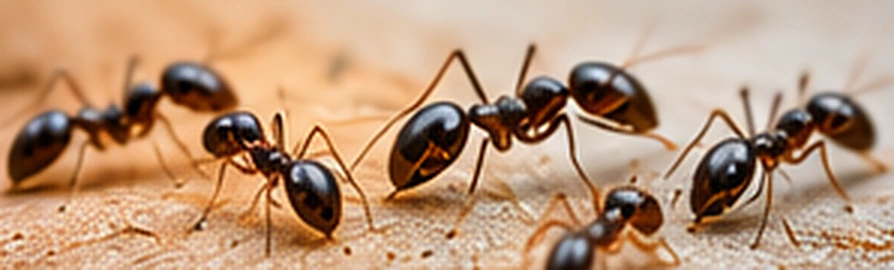
Ants are some of the most common pests found in and around homes. Most are more of a nuisance than a threat, but a steady trail of ants across the kitchen counter is hard to ignore, and a few species can cause real damage or become a long-term problem.
This guide explains how to identify the ants you are most likely to see, what their activity tells you, and how to deal with them in a way that actually works.
Why Ants Matter
Ants live in organized colonies that can include thousands of workers. When a colony finds a reliable source of food, scouts leave scent trails that guide others to it. That is why a single ant can quickly turn into a line of them.
Most household ants contaminate food and annoy homeowners, but carpenter ants can damage wood, and large outdoor colonies can disturb lawns and foundations. For businesses, ants in kitchens, break rooms, and food storage areas can affect hygiene standards and customer perception.
How to Identify Common Household Ants
Several species commonly show up in and around homes in Kentucky and across the United States. Color, size, and behavior can help narrow it down.
Odorous house ants
Small, dark brown to black ants that often form long trails along walls and counters. When crushed, they can give off a smell often compared to rotten coconut. They are drawn to sweets and moisture.
Pavement ants
Small, dark brown to blackish ants with parallel lines on the head and thorax. They nest in soil under sidewalks, driveways, and foundations, and you may see small mounds of soil along cracks in pavement.
Carpenter ants
Among the largest common ants, usually black, reddish, or a combination of both, and often around a quarter to half an inch long or larger. Carpenter ants excavate wood to build nests, but they do not eat it. Piles of fine sawdust-like material called frass are a key sign.
Other ants
Other ants, such as field ants and, in some areas, fire ants, are more often found in yards and lawns than in kitchens. Regional differences matter, so a correct identification is helpful.
Ants versus termites
Winged insects swarming indoors can be flying ants or termites. Ants have a narrow, pinched waist, elbowed antennae, and front wings that are longer than the hind wings. Termites have a broad waist, straight antennae, and wings of similar length. Because termite damage is serious, it is worth confirming the difference.
Ant Behavior and Habitat
Ants are active in warm weather and often become noticeable in spring and summer as colonies grow. Indoors, trails typically run along edges, pipes, and baseboards toward food and water.
- Outdoor nests: soil, mulch, under stones and pavers, in rotting logs, and near foundations.
- Indoor nests: wall voids, around plumbing, behind baseboards, and in insulation, especially in damp areas.
- Foraging: workers travel long distances to find sweets, grease, protein, and moisture.
- Weather effects: heavy rain, drought, and cold can push ants indoors in search of shelter and water.
Some species form multiple connected nests, and a colony may have more than one queen. That can make them difficult to eliminate with surface sprays alone.
Signs of an Ant Infestation
- Trails of ants moving along counters, walls, pipes, or floors
- Ants clustering around pet bowls, garbage, drains, and sweet spills
- Small soil mounds in cracks in pavement, along foundations, or in the yard
- Frass or sawdust-like piles near baseboards, window frames, or wood structures, which may indicate carpenter ants
- Rustling sounds in walls, in some carpenter ant cases
- Winged ants appearing indoors, which can suggest a nearby or indoor nest
Seeing a few scouts occasionally is common. Persistent trails or large numbers inside, or winged ants in the house, are stronger warnings.
What Causes Ant Problems
Ants enter buildings in search of food, water, and shelter. Common contributors include:
- Food crumbs, sticky spills, and unwashed dishes
- Pet food left out, especially overnight
- Open trash and compost bins near the home
- Moisture from leaks, condensation, and clogged gutters
- Mulch, wood, and plants touching the foundation
- Tree branches and shrubs that touch the roof or siding
- Cracks and gaps around doors, windows, pipes, and utility lines
- Water-damaged or decaying wood, which can attract carpenter ants
Potential Risks of Ants
Food contamination. Ants walk over many surfaces and can contaminate open food, pet food, and kitchen counters.
Structural damage. Carpenter ants can weaken wood over time, especially where moisture has already softened it. Their damage is usually slower than that of termites but can still be significant if left alone.
Stings and bites. Most house-invading ants are not dangerous, but some species can bite or sting, and a few can cause painful reactions in sensitive people.
Ongoing nuisance. Persistent ant activity may signal hidden moisture, nesting in wall voids, or conditions that also attract other pests.
Ant Prevention Tips
- Clean up quickly. Wipe counters, clean spills, and sweep crumbs, particularly sugary or greasy residues.
- Store food properly in sealed containers, and rinse recyclables before putting them away.
- Handle pet food carefully. Pick up bowls after meals or place them in a shallow dish of water.
- Manage trash and compost in tightly closed containers.
- Fix moisture issues. Repair leaky faucets, clean gutters, and improve drainage near the foundation.
- Trim plants and branches that touch the building, and keep mulch a few inches away from the foundation.
- Seal entry points around windows, doors, pipes, and cables.
- Repair damaged or wet wood, and store firewood away from the home.
What Homeowners Can Safely Do First
Careful, targeted steps work better than reacting to the ants you can see.
Helpful first steps
- Follow the trail to see where ants are entering and what they are after.
- Wipe the trail with soapy water, which removes the scent trail and can interrupt activity.
- Remove food sources and clean the area thoroughly.
- Seal visible cracks near the entry point once you have identified it.
- If you use baits, place them along trails and follow the label. Ants must carry bait back to the nest, so it takes time.
What to avoid
- Do not spray repellent sprays on foraging ants if you want to eliminate the colony. Some species may split and spread when stressed, and sprays can interfere with baits.
- Do not disturb a suspected carpenter ant nest in wood without identifying the cause, since the nest and moisture problem often remain.
- Do not use pesticides in ways the label does not allow, especially around food, children, and pets.
If ants come back after a few weeks, if you suspect carpenter ants, or if trails appear from inside walls, DIY measures are likely not enough.
When to Call a Professional
Consider professional help if ants keep returning, if you see sawdust-like frass or hear sounds in walls, if winged ants appear indoors, or if you are unsure whether you are dealing with ants or termites. A professional inspection can identify the species, find nesting sites and moisture problems, and recommend a plan suited to your property. Because different ants respond to different approaches, correct identification is a key first step.
Toler Pest Control offers ant control for homes and businesses in Louisville, Kentucky. For broader protection, explore our general pest control service. Ants are sometimes confused with winged stinging insects near the home, so you may also find our guide to wasps helpful.
Ant Control
Targeted ant treatments that go after the source, not just the ants you see.
Frequently Asked Questions
Why do I suddenly have ants in my kitchen?
Ants send scouts looking for food and water. When one finds crumbs, spills, or moisture, it leaves a scent trail that others follow. Weather changes, such as heavy rain or dry spells, can also push ants indoors.
How can I tell if I have carpenter ants?
Look for larger black or reddish ants, sawdust-like frass near wood, and possible rustling sounds in walls. Carpenter ants often nest in damp or damaged wood. A professional can confirm the species.
What is the difference between flying ants and termites?
Flying ants have a pinched waist, elbowed antennae, and front wings longer than hind wings. Termites have a straight body, straight antennae, and wings of similar length. If you are unsure, have it checked promptly.
Do ants carry diseases?
Most household ants are not considered major disease carriers, but they can contaminate food and surfaces. A few species bite or sting, so avoid handling them directly.
Why do ants come back after I spray them?
Sprays often kill only the ants you see, while the colony remains. Some species also split into new groups when stressed. Treating the nest or using baits properly, and fixing food and moisture sources, gives better results.
Can ants damage my home?
Carpenter ants can damage wood by tunneling to build nests, especially where wood is moist. Other household ants generally do not damage structures.
What attracts ants outdoors?
Sweet and greasy food waste, open trash, pet food, bird feeders, honeydew from insects on plants, and moist soil near foundations can all attract ants.
Are ant baits safe to use?
Baits are designed for specific uses and should be placed according to the label, away from children and pets. Ask a professional if you have concerns about products in your home.
Related Articles
Related Pest Guides

Dealing With Ants at Your Property?
Toler Pest Control is available 24 hours a day, 7 days a week. Call (844) 478-1021 to discuss ant activity at your home or business.