
Flea Control
Flea treatment for your home, with guidance for households with pets.

Residential Service

Commercial Service

Targeted Treatment
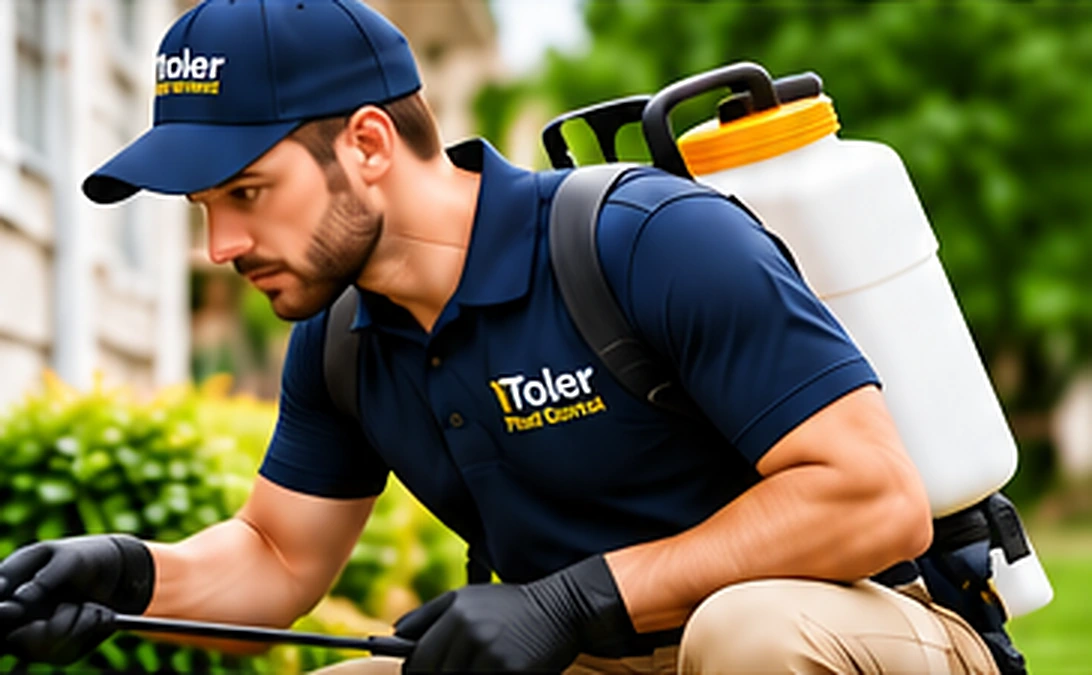
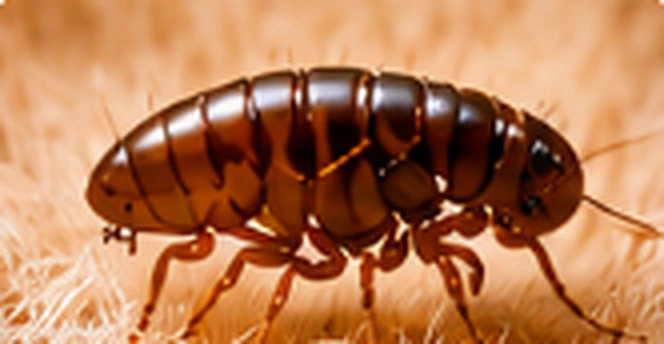
Your dog won’t stop scratching. Tiny dark specks are turning up on the couch. You’ve got itchy red bites around your ankles, and you haven’t been anywhere near tall grass. Fleas are small, but they can make a household miserable fast.
Toler Pest Control provides flea control for Louisville, Kentucky homes and properties. Our service is available 24 hours a day, 7 days a week, so you can reach us when fleas start to disrupt your home, your pets, and your sleep.
Call Toler Pest Control at (844) 478-1021 to talk about your flea problem.
What Flea Control Involves
Flea control is the professional management of flea infestations in and around homes. It is different from simply treating your pet. Adult fleas that you see on an animal are only a small part of the total population. Most of the flea life cycle takes place off the animal, in carpet, bedding, upholstery, cracks in flooring, and outdoor shaded areas.
A flea goes through four stages: egg, larva, pupa, and adult. Eggs drop off pets into the home environment, larvae develop in dark, protected spots, and pupae can remain dormant in cocoons until they sense warmth, vibration, or carbon dioxide from a potential host. That’s one reason fleas can seem to appear suddenly, even in a home that has been empty for a while.
Because of this life cycle, flea control usually needs to address pets, the indoor environment, and sometimes the yard at the same time.
If you’re not sure whether fleas or another pest is behind the bites, see our General Pest Control page for how professional identification works.
Common Flea Problems in Louisville
The most common flea around homes is the cat flea, which feeds on cats, dogs, and other animals, and will also bite people. Fleas can be a problem in any home with pets, but they aren’t limited to them.
How Fleas Get Into Homes
- Pets returning from outdoors, boarding, grooming, or visits with other animals
- Wildlife such as raccoons, opossums, squirrels, and stray cats that visit the yard, porch, or crawl space
- Used furniture and rugs that carry eggs or pupae
- Previous occupants. Flea pupae can survive in a vacant home and emerge when new residents move in
- Visitors and clothing, though this is less common
Where Fleas Live
Fleas prefer warm, humid, protected places:
- Pet bedding and favorite resting spots
- Carpets and rugs, especially along baseboards
- Upholstered furniture and cushions
- Cracks in hardwood floors
- Beds and bedding
- Shaded yard areas, under decks and porches, and in crawl spaces
- Areas where wildlife or stray animals rest
Seasonal Patterns
Fleas can be active year-round indoors, but outdoor populations typically increase as the weather warms and remain high through summer and fall. Homes with heated indoor spaces can see fleas even in colder months.
Signs of a Flea Infestation
Fleas are small, fast, and hard to spot. The first sign is often what they do rather than what they look like.
- Pets scratching, licking, or biting their skin more than usual
- Visible fleas on pets, especially on the belly, base of the tail, and neck
- Flea dirt. Tiny black specks in pet fur or bedding that turn reddish when moistened, because they are made of digested blood
- Small, itchy red bites on people, often clustered on the ankles, lower legs, and feet
- Fleas jumping on socks, pant legs, or light-colored surfaces
- Hair loss, scabs, or irritated skin on pets
- Tiny pale eggs in pet bedding or carpet, though they are very small and easy to miss
Flea bites can look like bites from other insects, so bites alone don’t confirm fleas. If you see fleas on a pet or find flea dirt, you can be more confident about the cause.
Why Professional Flea Control Matters
Fleas multiply quickly, and the life cycle makes them difficult to eliminate with a single step.
- They reproduce fast. A small number of adults can lead to many eggs, and the problem can grow in a matter of weeks.
- Most fleas aren’t on your pet. Treating the animal alone often leaves eggs, larvae, and pupae in the home.
- Pupae are resilient. Cocooned fleas can be hard to reach and may emerge later, which can make it seem like treatment has failed.
- They affect pets’ health. Fleas can cause itching, skin irritation, allergic reactions, and, in heavy infestations, other health problems, especially in young or small animals. Fleas can also transmit tapeworms to pets.
- They bite people too. Bites can cause itching and irritation, and scratching can lead to skin infections.
- Products must be used with care. Many flea products, including some designed for dogs, can be harmful to cats or other animals if misused. Always follow label directions and consult your veterinarian.
Professional assessment helps determine how widespread the problem is and which areas of the home and yard need attention.
Our Approach to Flea Management
Flea management works best when pets, the home, and the outdoor environment are all considered. Extension programs and public health sources generally recommend an integrated approach, since treating only one part of the problem often leads to repeat infestations.
In general, a professional approach includes the following.
Confirming the Pest and Assessing the Home
The first step is confirming that fleas are present and finding where they are concentrated. That usually means a careful look at pet resting areas, carpets, furniture, bedding, and high-traffic spots.
Checking Outdoor Areas
Shaded yard areas, crawl spaces, porches, and spots where pets or wildlife rest can serve as sources of reinfestation. Identifying outdoor harborage areas is an important part of the process.
Coordinating With Pet Care
Pets are central to most flea problems. Your veterinarian can recommend safe and effective flea prevention and treatment for your animals. A good pest management plan works alongside veterinary care rather than replacing it.
Treatment Considerations
Treatment options depend on the level of infestation, the layout of the home, and the people and animals who live there. Pets, children, and anyone with health sensitivities should be considered carefully, and specific methods should be discussed with you before work begins.
Preparation, Prevention, and Follow-Up
Flea service typically involves preparation steps, such as vacuuming, washing bedding, and clearing floors. Because of the flea life cycle, follow-up is often important to address fleas that emerge after the first treatment. The right schedule depends on the property and the level of activity.
Flea Control for Homes and Properties
Homes With Pets
Dogs and cats are the most common source of flea infestations, even when they stay mostly indoors. Indoor-only pets can still pick up fleas from other animals, visitors, or through open doors. For more on home protection, see our Residential Pest Control page.
Homes Without Pets
Fleas can still be a problem in homes without pets. They may arrive from wildlife, from previous occupants, or on secondhand items. Unexplained bites around the ankles can be a clue.
Yards and Outdoor Spaces
Shaded, humid areas where animals rest can host fleas. Areas under decks and porches, dog runs, and spaces where wildlife travels often deserve a closer look.
Rentals and Multi-Unit Properties
Fleas can spread between units in some cases, and a vacant unit may harbor dormant pupae. Tenants should report problems to their landlord or property manager in writing promptly. Responsibilities vary depending on the lease and local rules.
Commercial Properties and Pet-Related Businesses
Businesses that serve animals, such as kennels, groomers, and veterinary offices, face their own flea pressure, and property managers of vacant units may need to respond to flea problems. Learn more on our Commercial Pest Control page.
Benefits of Professional Flea Control
No provider can guarantee that fleas will never return, especially when pets and wildlife are part of the picture. What professional service can offer is practical:
- Confirmation of the cause. You’ll know whether fleas are really behind the bites.
- A whole-property view. Indoor and outdoor areas are considered together.
- Methods suited to your household. Pets, children, and sensitivities are factored in.
- Clear preparation guidance. Knowing what to do before and after service improves results.
- Less repeated effort. Many people cycle through products without addressing where fleas develop.
- Relief for you and your pets. Reducing the infestation lets everyone get back to normal.
Practical Flea Prevention Tips
These habits can lower the risk of fleas or help keep an infestation from getting worse:
- Talk to your veterinarian. Ask about safe, effective flea prevention for each of your pets, and never use a dog product on a cat unless the label says it’s safe.
- Vacuum frequently. Focus on carpets, rugs, furniture, and cracks along baseboards, and empty the vacuum bag or canister outdoors afterward.
- Wash pet bedding regularly. Use hot water if the fabric allows.
- Wash your own bedding if pets sleep with you or fleas are suspected.
- Keep the yard tidy. Trim tall grass and vegetation, and remove leaf piles and debris where fleas and animals shelter.
- Discourage wildlife. Secure trash, remove pet food from outdoors, and seal access under decks and porches.
- Inspect pets after outdoor time. Check for fleas and flea dirt, especially in warm months.
- Be careful with secondhand items. Inspect used furniture and rugs before bringing them inside.
For more detailed information, visit our Pest Library.
Why Contact Toler Pest Control for Fleas?
Toler Pest Control is a professional pest control company located at 1817 Shady Ln in Louisville, Kentucky, serving local homes and businesses.
- Available 24 hours a day, 7 days a week. Flea problems can disrupt a household at any hour, and you can reach us when they do.
- A whole-household perspective. We want to understand how fleas are affecting your home, your family, and your pets.
- Clear communication. You’ll know what we found, what we recommend, and what you can do to help.
- A Louisville focus. Our work is centered on the local community.
If you aren’t sure whether fleas are the cause of the bites or scratching, call and describe what you’re noticing. We’ll help you figure out the next step.
Fleas Taking Over? Call Toler Pest Control.
Fleas multiply quickly, and the sooner you address them, the more manageable the problem usually is. If you’re dealing with fleas in your Louisville home, tell us what you’re seeing and we’ll help you plan your next step.
Call Toler Pest Control at (844) 478-1021. We’re available 24 hours a day, 7 days a week.
Frequently Asked Questions
How do I know if I have fleas?
Look for pets scratching, visible fleas on their fur, and flea dirt, which looks like tiny black specks that turn reddish when wet. Itchy bites on your ankles and lower legs are another sign. Because bites alone don’t confirm fleas, finding fleas or flea dirt gives you a more reliable answer.
Can I have fleas without pets?
Yes. Fleas can arrive on wildlife, stray animals, secondhand furniture, or through pupae left behind by previous occupants. They can also be carried in from other properties on clothing, though that is less common. Bites around the ankles with no pets in the home are worth investigating.
Why do fleas keep coming back after I treat my pet?
Most of the flea population lives off the pet as eggs, larvae, and pupae in carpet, bedding, and the yard. Treating the animal only handles the adults. Pupae can also emerge weeks later. Treating pets, the home, and outdoor areas together, and following up, usually works better.
Are flea bites dangerous?
For most people, flea bites cause itching and red welts, and scratching can lead to skin infection. Some people react more strongly. Fleas can also transmit tapeworms and, rarely, other diseases. Pets can suffer from skin irritation, allergies, and in severe cases anemia. See a doctor or veterinarian about specific concerns.
How long does it take to get rid of fleas?
It depends on the size of the infestation, the home, and how well preparation and pet treatment are carried out. Because of the life cycle, it can take several weeks to see full improvement, and some fleas may emerge after treatment. Your technician can give realistic expectations after inspection.
Is flea treatment safe for my pets?
Safety depends on the products, the methods, and the animals involved. Tell your provider about every pet in the household, including cats, birds, fish, and reptiles. Follow instructions about keeping pets out of treated areas, and consult your veterinarian before using flea products on animals.
How should I prepare for flea service?
Preparation depends on the approach, so ask for specific instructions in advance. Common steps include vacuuming thoroughly, washing pet bedding and linens, clearing floors, and arranging for pets to be out of the home during service. Follow all instructions for when it’s safe to return.
Can I treat fleas in the yard myself?
Some steps help, such as trimming vegetation, removing debris, and sealing off areas where wildlife shelters. Outdoor products should be chosen and applied carefully according to the label, and some can affect other animals or beneficial insects. If outdoor flea activity is heavy, professional assessment may be worthwhile.