
Residential Pest Control
Home pest control that takes your family and pets into account.

Residential Service

Commercial Service

Targeted Treatment
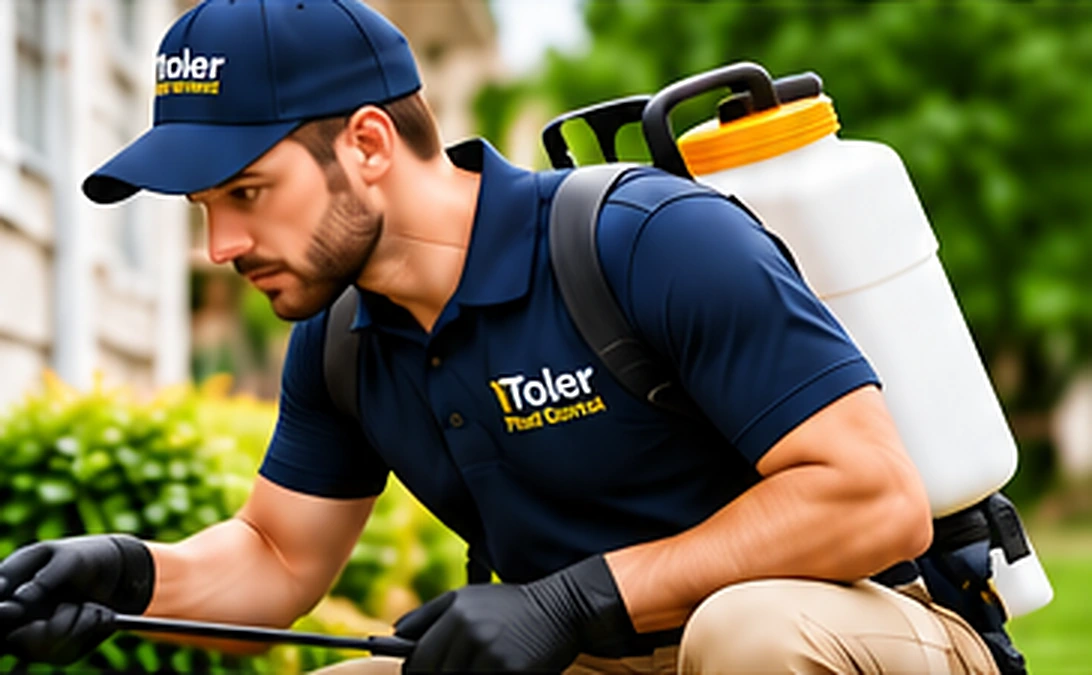

Your home should be the one place you don’t have to think about pests. When ants show up at the kitchen sink, mice start scratching in the walls, or spiders keep turning up in the bedroom, it changes how comfortable you feel in your own space.
Toler Pest Control provides residential pest control for Louisville, Kentucky homeowners and renters. Our service is available 24 hours a day, 7 days a week, so you can reach us when a pest problem shows up, whether that’s a weekday morning or a Saturday night.
Call Toler Pest Control at (844) 478-1021 to talk about the pests in your home.
What Residential Pest Control Means for Your Home
Residential pest control is a professional approach to managing pests in and around the places people live: single-family homes, townhouses, condos, duplexes, and apartments. It focuses on the areas where household pests cause the most trouble and on the conditions around your property that invite them in.
Unlike a one-time spray or a trap from the hardware store, residential service looks at how your home is built, how you use it, and what’s attracting pests in the first place. A kitchen with a slow leak under the sink, a crawl space with poor ventilation, and a yard with pooling water each create different problems, and each calls for a different response.
If you’re dealing with a broader mix of pests, our General Pest Control page explains the overall approach. This page is about protecting the place you live.
Common Household Pest Problems in Louisville
Louisville’s climate brings hot, humid summers and cold winters, and that cycle shapes when pests are most likely to bother homeowners.
Spring and Summer
As temperatures rise, ants begin foraging for food and water, often following trails into kitchens and bathrooms. Mosquitoes breed in standing water around yards. Wasps and yellow jackets build nests in eaves, shrubs, and sheds. Fleas become a concern for households with pets. Moisture-loving pests such as cockroaches, silverfish, and centipedes tend to appear in damp basements, bathrooms, and laundry areas.
Fall and Winter
When it turns cold, mice and rats look for warm, sheltered places to nest, and homes offer plenty of them: attics, wall voids, garages, and basements. Some insects also move indoors to overwinter and may emerge on warm days, which can be a surprise in the middle of winter.
Pests That Live Indoors Year-Round
Some pests aren’t tied to the seasons. German cockroaches, for example, live almost entirely indoors, and bed bugs travel into homes on luggage, clothing, and used furniture regardless of the weather.
Where Pests Hide in a House
Pests usually settle where they can find food, water, and shelter with little disturbance:
- Kitchens: under sinks, behind appliances, inside cabinets and pantries
- Bathrooms and laundry rooms: around plumbing, drains, and damp corners
- Basements and crawl spaces: along foundation walls, near moisture, in stored boxes
- Attics: in insulation, rafters, and corners that are rarely visited
- Garages and sheds: among clutter, stored items, and gaps around doors
- Bedrooms and living areas: in furniture seams, baseboards, and closets
Warning Signs You Shouldn't Ignore
Many homeowners don’t see pests directly. They notice what pests leave behind:
- Droppings in cabinets, drawers, or along baseboards
- Gnawed food packaging or chewed wires, wood, or insulation
- Ant trails on counters, windowsills, or floors
- Sounds in the walls or ceiling, especially at night
- Dark spots or small shed skins in corners and along edges
- Bites or itchy welts with no obvious cause
- Unusual odors in closed-off areas
- Small mounds of soil, sawdust-like debris, or discarded wings near entry points
A single insect isn’t necessarily a crisis. Repeated sightings, signs in several rooms, or evidence that returns after you’ve cleaned are good reasons to have a professional take a look.
Why Professional Pest Control Matters at Home
Most people try a do-it-yourself approach first, and for a lone ant or an occasional spider, that can be reasonable. Professional help becomes worthwhile when the problem is persistent, the pest is unknown, or the stakes are higher.
- Your household is different from everyone else’s. Children, pets, allergies, and health sensitivities all affect which approaches make sense.
- Home-use products have limits. Over-the-counter sprays may kill pests you can see while missing nests, colonies, or harborage areas you can’t.
- Misapplied products can create risks. Using pesticides in the wrong place or in the wrong way can expose family members and pets unnecessarily. Product labels should always be followed.
- Some pests affect health and property. Rodents can contaminate food and damage insulation and wiring. Cockroaches can trigger allergies and asthma. Stinging insects can be dangerous to people with allergies.
- Early action is usually simpler. Small problems are generally easier to address than established infestations.
How Residential Pest Management Works
Professional pest management in homes follows the principles of integrated pest management, an approach recommended by public agencies and university extension programs. Rather than relying on treatment alone, it combines inspection, correction of conditions, and monitoring.
In general, the process includes:
Understanding What You're Seeing
It starts with your description: what you’ve noticed, where, when, and for how long. Correct pest identification matters because different pests need different approaches.
Inspecting the Home and Exterior
A thorough look at both the inside and outside of the property helps locate activity, nesting sites, moisture problems, and food sources. The exterior matters as much as the interior, since many household pests come from the yard, foundation, or roofline.
Identifying Entry Points and Conditions
Gaps around pipes, worn door sweeps, damaged screens, foundation cracks, and unsealed vents can all give pests access. So can conditions like leaky plumbing, cluttered storage, or overflowing trash.
Considering Treatment Options
Treatment choices depend on the pest, the level of activity, the layout of the home, and who lives there. Your household’s needs, including children, pets, and anyone with respiratory or other sensitivities, should be part of that conversation.
Prevention and Follow-Up
Long-term results depend on addressing the reasons pests came in. Recommendations may include sealing entry points, reducing moisture, changing storage habits, or exterior maintenance. Some problems need follow-up to confirm that activity has dropped, and the right schedule depends on the pest and the property.
Residential Pest Control for Different Types of Homes
Different housing types face different pressures.
Single-family homes have more exterior exposure, which means more potential entry points and more outdoor conditions to consider, such as landscaping, drainage, woodpiles, and detached garages or sheds.
Older homes often have settled foundations, aging siding, and gaps around utilities that make it easier for rodents and insects to get inside. Basements and crawl spaces deserve extra attention.
Condos, townhomes, and apartments share walls, plumbing, and sometimes entire systems with neighbors, so pests such as cockroaches, ants, and bed bugs can move between units. Coordination with building management is often part of solving the problem.
Rental properties raise questions about responsibility between tenants and landlords. If you rent, it helps to document what you’re seeing and report it promptly to your property manager. Landlords and property managers looking for broader solutions may also want to see our Commercial Pest Control page.
Benefits of Professional Residential Pest Control
No provider can promise a home that will never see another pest. What professional service can offer is realistic and practical:
- Accurate answers. Knowing what you’re dealing with and why it’s there removes a lot of guesswork.
- Solutions matched to your home. Methods are chosen for your property, your pests, and your household.
- Fewer wasted purchases. Many homeowners spend months buying sprays, traps, and gadgets that don’t address the source.
- Prevention advice that fits your house. Specific recommendations are more useful than a generic checklist.
- Protection for your property. Dealing with pests early can reduce the risk of damage to wiring, insulation, wood, and stored belongings.
- Peace of mind. Knowing who to call when something comes up makes pests feel less overwhelming.
Simple Steps to Keep Pests Out of Your Home
You can lower your risk with a few habits:
- Seal entry points. Caulk gaps around pipes and windows, repair screens, and replace worn door sweeps.
- Fix moisture problems. Repair leaks, run a dehumidifier in damp areas, and keep gutters clear.
- Store food in sealed containers. This includes pantry items and pet food.
- Take out trash regularly. Use bins with tight-fitting lids.
- Reduce clutter. Cardboard boxes and piles of items make ideal hiding places.
- Keep the yard tidy. Trim vegetation away from the house, and store firewood off the ground and away from the foundation.
- Check secondhand items. Inspect used furniture, mattresses, and luggage before bringing them inside.
For deeper information on specific pests, visit our Pest Library.
Why Choose Toler Pest Control for Your Home?
Toler Pest Control is a professional pest control company located at 1817 Shady Ln in Louisville, Kentucky, serving homeowners and residents in the area.
- Available 24 hours a day, 7 days a week. Pests don’t wait for business hours, so you can reach us when a problem comes up.
- Attention to your specific situation. We want to understand what’s happening in your home before recommending a path forward.
- Clear, plain-language communication. You should know what’s causing the problem and what your options are.
- A Louisville focus. Our work is centered on the local community and the pest concerns that come with the area’s climate and housing.
If you’re not sure whether what you’re seeing needs professional attention, call and ask. We’ll help you decide on a sensible next step.
Protect Your Home. Call Toler Pest Control.
If pests are making your home feel less comfortable, you don’t have to figure it out alone. Tell us what you’re seeing, and we’ll help you understand your options.
Call Toler Pest Control at (844) 478-1021. We’re available 24 hours a day, 7 days a week.
Frequently Asked Questions
What does residential pest control include?
Residential pest control addresses pests in and around homes, including ants, cockroaches, spiders, rodents, and others. It typically involves identifying the pest, inspecting the interior and exterior, finding entry points and attractants, and recommending treatment and prevention steps. The specifics depend on your property and the pest involved.
How often should my home be treated for pests?
It depends on the pest, the age and condition of your home, and how often problems return. Some situations call for a single visit with follow-up, while others benefit from regular service. A professional can recommend a schedule based on what’s found during inspection rather than a fixed rule.
Is pest control safe for my children and pets?
Safety depends on the pest, the methods chosen, and how they’re applied. Tell your provider about children, pets, and any health sensitivities before service so those factors can be considered. Follow all instructions about staying out of treated areas or preparing rooms ahead of time.
Do I need to leave my home during treatment?
That varies with the pest and the treatment approach. Some situations require no special preparation, while others may ask you to keep people and pets out of certain areas for a period. Ask for specific instructions before service so you know what to expect.
Why do pests keep coming back after I clean?
Cleaning helps, but pests are often drawn by factors you can’t see or fix with surface cleaning, such as moisture behind walls, gaps in the foundation, or nests outside the house. Recurring pests usually mean the underlying conditions haven’t been addressed. An inspection can help identify them.
Should I tell my landlord about pests in my rental?
Yes, in most cases. Report the problem in writing as soon as you notice it and keep a record of what you saw and when. Responsibility for pest control in rentals depends on your lease and local rules, so check your agreement or consult local tenant resources if you’re unsure.
Can I prevent pests without hiring a professional?
Many prevention steps are things you can do yourself: sealing gaps, controlling moisture, storing food properly, and keeping clutter down. These reduce your risk considerably. When pests are already established, or you can’t identify what you’re dealing with, professional help is usually the more efficient route.
What should I do before my pest control visit?
Make a note of where and when you’ve seen pests, and keep any evidence you’ve found, such as droppings or damage. Clear access to areas like under sinks, basements, and attics if you can. Ask your provider whether anything else is needed for your particular situation.