
Cockroaches: Identification, Signs, Health Risks, and Prevention
Learn how to identify common cockroaches, recognize early warning signs, and reduce the conditions that let them thrive in homes and businesses.

Identification Guide

Prevention Tips

24/7 Contact

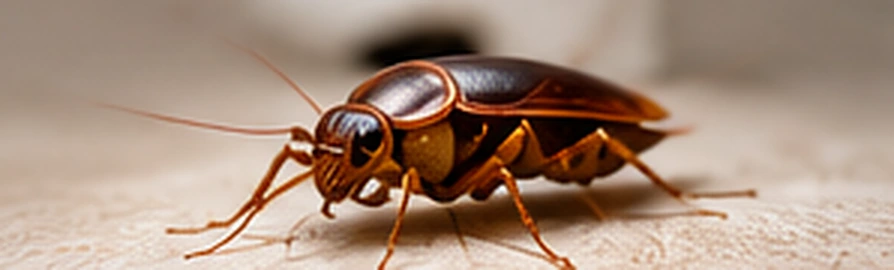
Cockroaches are among the most persistent pests found in homes, apartments, restaurants, and other commercial buildings. They are resilient, adaptable, and good at hiding, so by the time you see one in daylight there may already be many more nearby.
Understanding which type of cockroach you are dealing with, what draws it in, and what you can safely do about it makes a real difference in how quickly the problem can be brought under control.
Why Cockroaches Matter
Cockroaches contaminate food and surfaces as they move between drains, trash, and kitchens. They shed skins and leave droppings that can contribute to allergy and asthma symptoms, and large populations can be difficult to reduce. For restaurants, grocery stores, and other food-related businesses, a cockroach problem can threaten inspection results and customer trust.
Like many pests, cockroaches thrive when food, water, and shelter are all available. Removing even one of those can slow them down, which is why prevention works best alongside professional control.
How to Identify Cockroaches
Several species are common in the United States. They differ in size, color, and habits.
German cockroach
About half an inch long, light brown or tan, with two dark parallel stripes behind the head. German cockroaches are the most common indoor species and favor warm, humid places such as kitchens and bathrooms. They reproduce quickly and are often the hardest to eliminate.
American cockroach
One of the largest household species, often reaching about an inch and a half. It is reddish-brown with a pale yellowish band around the edge of the area behind the head. American cockroaches prefer dark, damp spaces such as basements, sewers, and drains, and can enter buildings from outdoors.
Oriental cockroach
Around an inch long and dark brown to black with a glossy look. Often called a water bug, it prefers cool, damp areas such as crawl spaces, floor drains, and under sinks.
Brown-banded cockroach
About half an inch long, light brown, with two pale bands across the wings. It is often found higher up, in cabinets, behind picture frames, and in drier areas of the home, rather than only near water.
Cockroach or beetle?
Cockroaches have long, thin antennae, a flattened oval body, and a head tucked beneath a shield-like plate. Beetles usually have hard, wing-like covers that meet in a straight line down the back. If you are unsure, a photo can help a professional identify the species.
Cockroach Behavior and Habitat
Cockroaches are mostly nocturnal and tend to avoid light. They squeeze into tight cracks and hide during the day. Common hiding places include:
- Behind and under refrigerators, stoves, and dishwashers
- Inside cabinets and drawers, especially near sinks
- Around plumbing penetrations and drains
- In basements, crawl spaces, and utility rooms
- In cardboard boxes, paper stacks, and clutter
- In storage rooms, dishwashing areas, and walk-in coolers in commercial buildings
Cockroaches need moisture. They can survive for weeks without food but not as long without water. Indoors they stay active year-round. Outdoor species such as the American cockroach may move inside when conditions turn very hot, dry, or cold, or after heavy rain.
Signs of a Cockroach Infestation
- Live cockroaches, especially when seen in the daytime or when you turn on a light at night
- Droppings, which look like coffee grounds or black pepper from smaller species, and like small cylinders from larger ones
- Egg cases (oothecae), small brown capsules that may be found behind appliances or in cabinets
- Smear marks in humid areas where roaches travel
- A musty or oily odor that grows stronger in larger infestations
- Shed skins in dark corners, cabinets, and along walls
Spotting a cockroach during the day often suggests a larger population, because these insects normally avoid being seen. In commercial kitchens, check around dish stations, floor drains, and equipment bases.
What Causes Cockroach Problems
Cockroaches look for food, water, and shelter, and they can arrive in many ways:
- Cardboard boxes, grocery bags, and used appliances brought into a building
- Shared walls, plumbing chases, and drains in apartments and multi-unit buildings
- Gaps around doors, windows, and utility lines
- Food crumbs, grease, pet food, and unemptied trash
- Leaky pipes, condensation, and damp areas
- Deliveries and storage in commercial spaces
Even a very clean home can have cockroaches if they enter from a neighboring unit, but poor sanitation and moisture make an infestation much more likely to grow.
Potential Risks of Cockroaches
Allergies and asthma. Cockroach droppings, shed skins, and body parts can act as allergens. Researchers and public health agencies, including the U.S. Environmental Protection Agency, have linked cockroach allergens to asthma symptoms, especially in children.
Food contamination. Cockroaches travel through drains, garbage, and other unsanitary areas before crossing food-preparation surfaces. They can carry bacteria on their bodies, though the exact health risk depends on the situation.
Business impact. Sightings can lead to complaints, failed inspections, and lost customers.
Quality of life. Many people find cockroaches stressful, particularly when they appear unexpectedly at night.
Cockroach Prevention Tips
- Remove water sources. Fix leaks, wipe sinks dry at night, and address condensation.
- Clean consistently. Wipe counters, sweep floors, and clean under and behind appliances, where grease and crumbs collect.
- Store food in sealed containers, including pet food, and avoid leaving dirty dishes overnight.
- Manage trash. Use lidded bins and take out garbage regularly, especially food waste.
- Seal gaps around pipes, baseboards, cabinets, doors, and windows.
- Reduce cardboard and clutter. Replace cardboard storage with plastic bins when possible, and inspect boxes and bags before bringing them inside.
- Clean drains and keep floor drains and sink traps working.
- Inspect used appliances before bringing them into the home.
What Homeowners Can Safely Do First
Start by reducing the resources roaches rely on, and keep notes on where you see them.
Helpful first steps
- Clean greasy surfaces, wipe up spills, and remove cardboard clutter from kitchens and storage areas.
- Vacuum visible roaches, egg cases, and debris, and dispose of the bag or contents outside.
- Use sticky monitoring traps to learn where activity is concentrated. They are most useful for detection rather than control.
- Repair leaks and seal gaps where you can.
What to avoid
- Do not use foggers or bug bombs. They can scatter cockroaches deeper into walls and may leave residue on surfaces and food areas.
- Do not mix or overuse household chemicals. Sprays can repel cockroaches into new areas and may pose risks for children and pets.
- Do not use products labeled only for outdoors inside the home.
- Do not assume a clean house prevents roaches when they may be entering from neighbors or the building structure.
Over-the-counter baits can help with minor problems, but larger infestations, especially German cockroaches, typically need a more thorough plan.
When to Call a Professional
Contact a professional if you see roaches during the day, find egg cases, notice a persistent odor, share walls with other units, or run a food-related business. A professional inspection can identify the species, locate hiding areas and moisture problems, and recommend a strategy that fits your property. Cockroach management usually works best when sanitation, exclusion, and targeted treatment are combined, with follow-up to check progress.
Toler Pest Control provides cockroach control for homes and businesses in Louisville, Kentucky. You can also learn about our residential pest control and commercial pest control services. Cockroaches and rodents are often found in the same spaces, so our guide to rodents may also be useful.
Cockroach Control
Targeted cockroach treatment and tips to help stop repeat problems.
Frequently Asked Questions
What is the most common cockroach in homes?
The German cockroach is the most common indoor species in the United States. It is small and tan with two dark stripes behind the head, and it favors warm, humid areas such as kitchens and bathrooms.
Does seeing a cockroach mean my home is dirty?
Not necessarily. Cockroaches can enter from neighboring units, deliveries, boxes, and plumbing. However, food debris, grease, and moisture make it easier for them to settle and multiply.
Why do I see cockroaches during the day?
Cockroaches normally avoid light and stay hidden. Seeing them in daylight often suggests a larger population, because hiding places are crowded or disturbed.
Are cockroaches harmful to health?
They can contribute to allergies and asthma, especially in children, and they may spread bacteria on surfaces and food. The overall risk depends on the species and the conditions in the building.
What do cockroach egg cases look like?
They are small, brown, capsule-shaped cases that hold multiple eggs. They may be found behind appliances, in cabinet corners, and in other hidden spots, though some species carry the case until the eggs hatch.
Do bug bombs work for cockroaches?
Foggers are generally not recommended. They often fail to reach hiding places and can drive cockroaches deeper into walls or into neighboring areas, while leaving residue where you prepare food.
How do cockroaches get into apartments?
They can move through shared walls, plumbing, vents, and gaps around utility lines, and they can hitch rides in boxes, bags, or secondhand items.
How can I prevent cockroaches in my business?
Keep food areas clean, fix leaks, store goods off the floor, inspect deliveries, manage trash promptly, and seal cracks and gaps. A professional inspection can help identify problem areas.
Related Articles
Related Pest Guides

Seeing Cockroaches at Your Property?
Toler Pest Control is available 24 hours a day, 7 days a week. Call (844) 478-1021 to discuss cockroach concerns at your home or business.