Commercial Pest Control
Pest control for offices, restaurants, retail spaces, and warehouses.

Residential Service

Commercial Service

Targeted Treatment
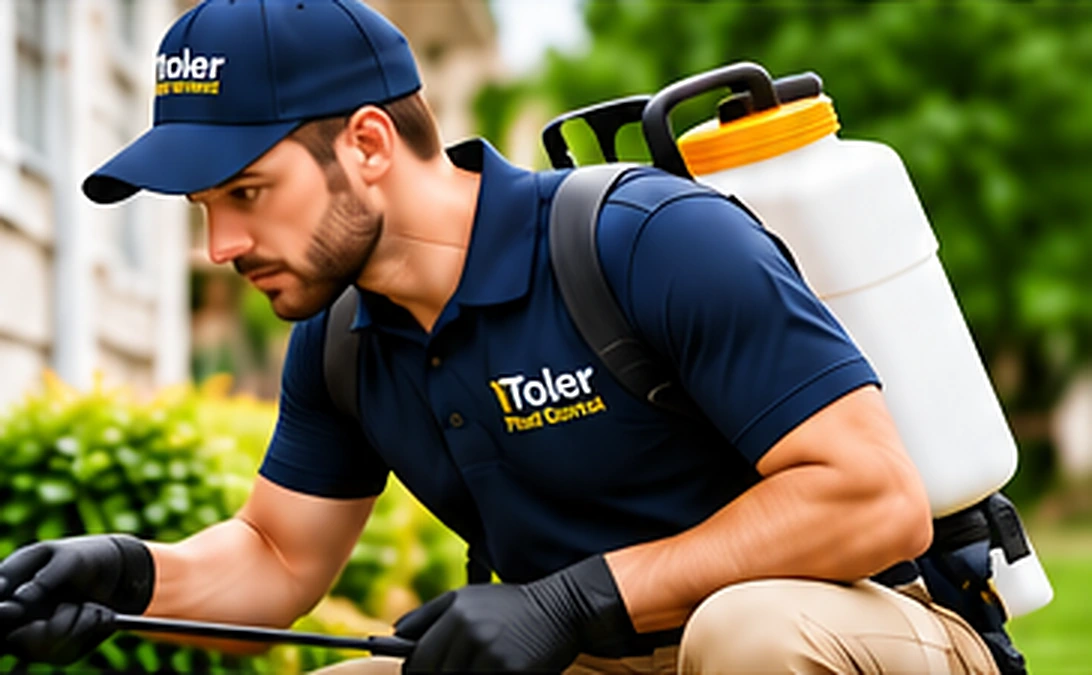

For a business, a pest sighting is more than an annoyance. A cockroach in a dining area, droppings in a stockroom, or a wasp nest by the front entrance can unsettle customers, disrupt employees, and put a hard-earned reputation at risk.
Toler Pest Control provides commercial pest control for Louisville, Kentucky businesses and property managers. Our service is available 24 hours a day, 7 days a week, because pest problems don’t always appear during business hours, and you shouldn’t have to wait for Monday morning to get help.
Call Toler Pest Control at (844) 478-1021 to discuss the pest concerns at your property.
What Commercial Pest Control Involves
Commercial pest control is the professional management of pests in non-residential properties: offices, restaurants, retail stores, warehouses, medical and professional buildings, schools, apartment complexes, and other spaces where people work, shop, eat, or gather.
It differs from residential service in several ways. Commercial buildings are larger and more complex. They have more people moving through them, more deliveries coming in, more waste to manage, and more entry points to monitor. Pest problems also carry operational consequences, from product loss to complaints to inspection concerns.
Effective commercial pest management is less about reacting to individual sightings and more about building an ongoing approach to monitoring, prevention, and communication. If you’re looking for service at your home, see our Residential Pest Control page. For a general overview of our approach, visit General Pest Control.
Pest Problems That Affect Businesses
The pests that matter most depend on the type of business, but several come up again and again in commercial settings.
- Cockroaches thrive in warm, humid spaces with food and water, such as kitchens, break rooms, storage areas, and restrooms.
- Rodents enter through small gaps, loading docks, and utility penetrations, and they can contaminate products and damage packaging, insulation, and wiring.
- Ants follow food odors into kitchens, break rooms, and stockrooms, and can be difficult to trace back to a source.
- Flies are drawn to waste areas, drains, and food preparation spaces.
- Stored-product pests, such as pantry beetles and moths, can infest dry goods, packaging, and food inventory.
- Bed bugs can turn up in hotels, offices, and other places where people travel with bags and belongings.
- Stinging insects may nest near entrances, rooflines, dumpsters, or landscaping and create safety concerns for staff and customers.
- Mosquitoes can affect outdoor seating, patios, and grounds during warm months.
How Pests Get Into Commercial Buildings
Commercial properties have many pathways that pests can use:
- Delivery doors and loading docks that stay open or have worn seals
- Gaps around pipes, conduit, vents, and utility lines
- Incoming boxes, pallets, and supplies that carry pests inside
- Shared walls and ceilings in multi-tenant buildings
- Dumpsters and waste areas positioned too close to entrances
- Landscaping and exterior lighting that attract insects toward the building
Signs of Pest Activity in the Workplace
Staff are often the first to notice problems. Watch for:
- Droppings or gnaw marks in storage areas or behind equipment
- Live insects in kitchens, restrooms, or break rooms
- Damaged packaging or product
- Grease marks along walls and baseboards
- Unusual odors in closed spaces
- Customer or tenant complaints about pests
- Repeated sightings after cleaning
Why Professional Pest Control Matters for Business
Pest problems in a commercial setting rarely stay small, and the consequences go beyond the pests themselves.
- Reputation. A single pest encounter can lead to bad reviews, lost customers, or complaints from tenants.
- Health and safety. Rodents, cockroaches, and flies are associated with food contamination and the spread of bacteria. Stinging insects pose risks to people with allergies.
- Product and property damage. Pests can ruin inventory and damage packaging, insulation, wiring, and structural materials.
- Regulatory and inspection concerns. Businesses that handle food, serve the public, or manage housing may face health inspections or standards where pest activity matters. Requirements vary by business type and jurisdiction, so check with the relevant local or state authorities for what applies to you.
- Employee comfort and productivity. Staff who are distracted or worried about pests are not focused on their work.
- Scale. Larger buildings have more places for pests to hide and spread, which makes professional assessment and consistent monitoring more important.
How Commercial Pest Management Works
Commercial pest management is typically built on the principles of integrated pest management, which emphasizes prevention, monitoring, and correcting the conditions that support pests. This approach is recommended by government agencies and university extension programs for both homes and businesses.
In general, a professional approach includes the following.
Discussing Your Property and Concerns
Every business is different. A restaurant kitchen, a retail storefront, and a warehouse each have their own pest pressures, schedules, and sensitivities. A good starting point is understanding how your property operates and what you’ve noticed.
Inspecting the Property
A thorough inspection looks at both the interior and the exterior. It covers high-risk areas such as kitchens, storage, restrooms, waste areas, and loading zones, along with the building envelope, drainage, and landscaping.
Identifying Conditions That Support Pests
Moisture problems, sanitation gaps, storage practices, structural openings, and waste handling often explain why pests are present. Pinpointing these gives your team something concrete to act on.
Planning Treatment Around Your Operations
Treatment options depend on the pest, the severity of activity, and the nature of your business. Customers, employees, food handling, and operating hours all affect what is appropriate and when. Scheduling and preparation should be discussed in advance.
Prevention, Monitoring, and Follow-Up
Because commercial properties are exposed to new pests through deliveries, neighbors, and daily traffic, prevention and monitoring often matter as much as treatment. Recommendations might involve exclusion work, sanitation practices, waste management, or staff reporting procedures. Follow-up needs depend on the pest and the property.
Commercial Pest Control by Property Type
Restaurants and Food Service
Food, moisture, warmth, and constant activity make restaurants attractive to cockroaches, rodents, flies, and ants. Attention typically focuses on kitchens, dry storage, drains, dish areas, walk-in coolers, and dumpsters. Staff habits around cleaning, storage, and waste play a major role.
Retail Stores
Retail environments deal with customers, deliveries, stockrooms, and often shared walls with neighboring tenants. Pests can arrive in shipments or enter through storefront doors, back receiving areas, and gaps in the building shell.
Offices and Professional Buildings
Break rooms, kitchenettes, restrooms, and storage closets are the most common trouble spots in offices. Even small infestations can disrupt employees and generate tenant complaints.
Warehouses and Distribution Centers
Large doors, pallets, and heavy shipping traffic create many openings. Rodents, stored-product pests, and birds or insects near docks can threaten inventory.
Apartment Complexes and Multi-Tenant Properties
Pests such as cockroaches, rodents, and bed bugs move between units through shared walls and plumbing. Effective management usually requires coordination among property managers, maintenance staff, and residents.
Hotels and Hospitality
Guest turnover, luggage, linens, and shared spaces make hospitality properties particularly sensitive to bed bugs, cockroaches, and ants. Quick communication and discretion matter in these settings.
Medical, Educational, and Other Sensitive Facilities
Healthcare offices, daycares, and schools often have extra considerations around occupants and the products and methods used. Communicate your facility’s requirements clearly when planning any service.
Benefits of Professional Commercial Pest Control
No honest provider can guarantee a property that will never see another pest. What professional service can offer is practical and measurable:
- Earlier detection. Regular monitoring helps catch problems while they are still small.
- Fewer disruptions. Planned, informed service is easier on your operations than emergency responses.
- Better documentation. Records of inspections, findings, and recommendations help property managers and business owners keep track of conditions over time.
- Clear recommendations for your team. Sanitation, storage, and maintenance suggestions give staff specific, actionable steps.
- Protection for your reputation and assets. Addressing pest issues promptly can reduce the risk of damage to inventory, property, and customer confidence.
- A single point of contact. Having someone to call when a problem arises saves time and stress.
Pest Prevention Tips for Business Owners and Managers
Good habits across your team can reduce pest pressure significantly:
- Inspect deliveries. Check boxes, pallets, and shipments for signs of pests before bringing them in.
- Keep doors and openings sealed. Replace worn door sweeps and weatherstripping, and close dock doors when not in use.
- Manage waste carefully. Use lidded containers, empty them regularly, and keep dumpsters away from entrances when possible.
- Store food and supplies properly. Use sealed containers, keep items off the floor, and rotate stock.
- Maintain a regular cleaning routine. Pay attention to drains, under equipment, break rooms, and restrooms.
- Fix moisture problems quickly. Leaks and condensation support many pests.
- Train staff to report. Make it easy for employees to flag sightings so issues are caught early.
- Maintain the exterior. Keep vegetation trimmed back and repair gaps in walls, rooflines, and foundations.
For more detail on specific pests, see our Pest Library.
Why Choose Toler Pest Control for Your Business?
Toler Pest Control is a professional pest control company located at 1817 Shady Ln in Louisville, Kentucky, serving local businesses and property managers.
- Available 24 hours a day, 7 days a week. Pest issues can arise during off-hours, weekends, and holidays, and you can reach us when they do.
- Attention to how your business operates. We want to understand your property, your schedule, and your concerns before recommending a plan.
- Clear communication. You should know what we found, what it means, and what your options are.
- A Louisville focus. Our work is centered on the local business community and the pest pressures that come with the area’s climate and building stock.
If you aren’t sure what your property needs, call and talk it through with us.
Protect Your Business. Call Toler Pest Control.
Pest problems can affect your customers, your team, and your reputation. If you’re seeing signs of pests at your Louisville business, or you want to talk through a prevention plan, we’re ready to help.
Call Toler Pest Control at (844) 478-1021. We’re available 24 hours a day, 7 days a week.
Frequently Asked Questions
What types of businesses need commercial pest control?
Any business can face pest problems, but restaurants, food retailers, hotels, healthcare offices, warehouses, schools, and multi-unit housing properties often need particular attention. If your property handles food, stores inventory, or serves the public, regular pest management is worth considering.
How is commercial pest control different from residential service?
Commercial properties are typically larger, busier, and more complex, with deliveries, waste, shared spaces, and many people coming and going. Service often involves broader inspections, communication with managers or staff, and ongoing monitoring. Pest problems can also affect operations, reputation, and inspection outcomes.
How often should a business have pest control service?
It depends on your property type, the pests in your area, and your history of problems. Some businesses benefit from regular scheduled service, while others need service only as issues come up. A professional assessment can help you decide what makes sense for your situation.
Can pest control be scheduled around my business hours?
Often, yes. Treatment timing depends on the pest, the method, and your operations. Discuss your hours, customer traffic, and any sensitive areas in advance so service can be planned to minimize disruption. Some situations may call for off-hours work, and we are available 24/7.
Who is responsible for pest control in a leased commercial space?
It depends on the lease and the nature of the problem. Tenants are often responsible for pests inside their own space, while landlords may handle common areas and structural issues. Review your lease and communicate with your property manager so responsibilities are clear.
Will pest problems affect my health inspection?
Pest activity can be a concern during inspections for food service and other regulated businesses. Requirements vary by business type and jurisdiction. Check with the relevant local or state authorities about what applies to you, and act quickly on any signs of pest activity.
How can my employees help prevent pests?
Staff can help by storing food properly, disposing of waste promptly, reporting sightings, keeping doors closed, and reporting leaks or damage. Short, clear guidelines work best. Small daily habits across a team often do as much as any single treatment.
What should I do if a customer reports a pest?
Respond promptly and courteously, document the sighting, and arrange for an assessment of the area. Avoid assuming the problem is isolated. A quick professional look can confirm whether it is a one-time event or part of a larger issue.