A summer evening in the backyard should be relaxing. If you are spending it swatting your ankles and heading indoors early, you are not alone. The frustrating thing about mosquitoes is that most of the popular gadgets and sprays do surprisingly little, while a handful of unglamorous habits do most of the work.
Here is what the evidence from public health agencies and university specialists says actually helps, what does not, and how to protect your family while you work on the yard.
The Short Answer
The most effective way to reduce mosquitoes around your home is to get rid of the standing water where they breed. Beyond that, a combination of repairing screens, treating water that cannot be emptied, using EPA-registered repellents, and in some cases targeted treatments around resting areas will make a noticeable difference. No yard becomes entirely mosquito-free, especially because some mosquitoes travel in from elsewhere, but you can reduce the numbers significantly.
How Mosquitoes Live (and Why That Matters)
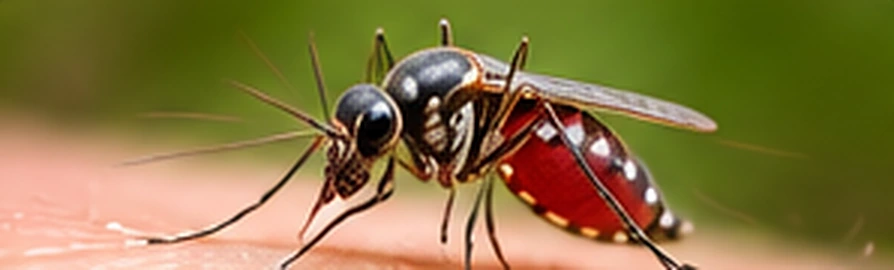
Mosquitoes do not live in your grass the way many people assume. Adults rest in cool, shaded, humid spots during the day and come out to feed, usually around dawn and dusk, though some species bite during the day. They lay eggs on or near water, and the young develop in that water before becoming flying adults.
University of Kentucky Extension notes that more than 50 mosquito species occur in the state, though only a few are significant nuisances or health concerns. The two major groups are Culex and Aedes. Culex females lay egg rafts on the surface of standing water, in places like rain barrels, bird baths, tin cans, old tires, and clogged gutters. Aedes females lay eggs at the edge of water, in containers and low spots that flood periodically, and the eggs hatch when rain covers them.
Extension also points out that a neglected bird bath, pool, or clogged gutter can produce hundreds of mosquitoes in a few days. That is the heart of the strategy: take away the water, and you take away the nursery.
Step One: Remove Standing Water
The CDC advises once-a-week attention to anything that holds water. Empty and scrub, turn over, cover, or throw out items such as:
- Buckets, wheelbarrows, and wading pools
- Flowerpot saucers and planters
- Bird baths and pet water dishes
- Old tires, toys, and tarps that collect pools
- Trash cans, recycling bins, and their lids
- Clogged gutters and downspout extensions
- Low spots in the yard where water sits for days
Even a small amount of water can be enough for some species, so look for small containers as well as obvious ones. Tightly cover rain barrels and other water storage containers. For those without lids, the CDC suggests mesh with holes smaller than an adult mosquito. Fill tree holes that collect water, and keep swimming pools chlorinated.
Step Two: Treat Water You Cannot Empty
For ornamental ponds, rain barrels you want to keep, or other water that cannot be removed or covered, Extension describes products containing Bti (a bacterium toxic to mosquito larvae). University of Kentucky says Bti is lethal only to mosquito larvae and the larvae of some aquatic gnats and black flies, and is not harmful to fish, waterfowl, pets, or humans when used according to the label. Slow-release “dunks” are commonly sold for this purpose, and quick-acting granules are better for small containers. Another option, methoprene, prevents larvae from becoming adults. As the CDC notes, larvicides should be used according to label directions and, outdoors, on larger bodies of water that cannot be covered or emptied and are not used for drinking.
Step Three: Keep Mosquitoes Out of the House
- Repair or replace torn window and door screens.
- Keep doors closed, including the garage, and do not prop them open.
- Use air conditioning when you can.
- Empty water-holding items indoors too, such as vase water and plant saucers. The CDC notes that mosquitoes can rest in dark, humid spots like under sinks, in showers, and in closets.
Step Four: Protect Yourself and Your Family
While you work on the yard, personal protection makes the biggest difference to how comfortable you are. The CDC recommends EPA-registered insect repellents. Products listing these active ingredients are included: DEET, picaridin, IR3535, oil of lemon eucalyptus (OLE), para-menthane-diol (PMD), and 2-undecanone. Look for an EPA registration number on the label.
- Apply sunscreen first, then repellent.
- Do not use products containing OLE or PMD on children under 3 years old.
- Keep repellent away from a child’s hands, eyes, mouth, cuts, and irritated skin. Adults should put it on their own hands first and then apply it to the child’s face.
- Wear loose, long-sleeved shirts and long pants when mosquitoes are active. Permethrin-treated clothing and gear is another option, but never apply permethrin directly to skin.
- Cover strollers and baby carriers with mosquito netting.
The CDC says the effectiveness of non-EPA-registered repellents, including some natural ones, is unknown. If you prefer a plant-based product, look for one that is EPA-registered, and follow the label.
What About Treating the Yard?
The CDC says outdoor adulticides, which kill adult mosquitoes, can be used where mosquitoes rest, such as under patio furniture, under a carport, or in the garage, following label directions. University of Kentucky Extension also notes that some homeowners choose to have someone apply products to shade trees, shrubs, and shaded areas.
These treatments tend to be temporary. They do not replace removing breeding sites, and they may require reapplication. Products can also affect beneficial insects such as pollinators, so it is important to follow the label carefully, avoid blooming plants where possible, and keep pets and children away until it is safe. A professional can tailor a treatment to your property, and can be especially helpful when breeding sites are not obvious or accessible.
What Does Not Work Well
- Bug zappers. University of Kentucky Extension says UV zappers are generally ineffective at reducing mosquito populations or bites, since mosquitoes make up a tiny fraction of what they catch.
- Ultrasonic devices. Extension describes their benefit as negligible.
- Light, heat, and CO₂ traps. Extension says these seldom reduce biting mosquitoes and may draw more mosquitoes into an area.
- Indoor foggers. Extension notes foggers and indoor insecticides labeled for mosquitoes seldom provide relief at the dosages homeowners apply.
- Treating the whole lawn and ignoring standing water. You may reduce adults briefly while leaving the source in place.
Common Mistakes to Avoid
- Emptying containers once and forgetting them. The weekly habit is what matters.
- Overlooking small, hidden water sources such as clogged gutters, plant saucers, and buckets under a tarp.
- Relying on a single product or gadget
- Applying repellent before sunscreen, or applying more than the label directs
- Assuming the problem is only in your yard. Some mosquitoes travel up to several miles, according to Extension, so neighbors’ yards and nearby breeding areas can matter
When to Call a Professional
Many homeowners can make a real dent in mosquitoes using the steps above. Consider calling a professional if:
- You have eliminated water sources but biting continues
- Your property has large shaded areas, dense vegetation, or water features that are hard to manage
- You cannot find where the mosquitoes are breeding
- You want a plan for a special event, or for a family member who reacts strongly to bites
- You want help choosing and applying treatments safely around children and pets
It is also worth reporting a large nearby source, such as a neglected pool or standing water on a vacant property, to your local health department or code enforcement.
Final Thoughts
Reducing mosquitoes is mostly about routine: dump and scrub water weekly, fix screens, treat water you cannot empty, and wear repellent when you go out. Targeted treatments can help on top of those basics, but they are not a substitute. The result will not be a mosquito-free yard, but it can be a noticeably more comfortable one.
If you would like help with mosquitoes at your Louisville home, Toler Pest Control can look at your property and talk through options. Learn more about our mosquito control service, see the mosquito guide in our Pest Library, or call (844) 478-1021 any time.