You paid for a treatment, saw fewer roaches for a while, and then one night you flipped on the kitchen light and there was another one. It is frustrating, and it is also very common. Cockroaches are hardy, they reproduce quickly, and they spend most of their lives out of sight. When roaches seem to come back, there is usually a specific, fixable reason.
Here are the most common explanations, what you can do about each one, and how to tell whether a return visit from a professional makes sense.
The Short Answer
Cockroaches usually come back after treatment for one or more of these reasons: some roaches or eggs survived in hiding places that were never reached, the wrong product or method scattered them instead of eliminating them, food and water sources kept the population going, or new roaches arrived from outside, such as from a neighboring unit, groceries, or boxes. A treatment can be done correctly and still need follow-up, because roaches in many life stages are present at once.
Know What You Are Dealing With
Different cockroaches behave differently, and the right approach depends on the species. University of Kentucky Extension describes the ones that most often infest homes:
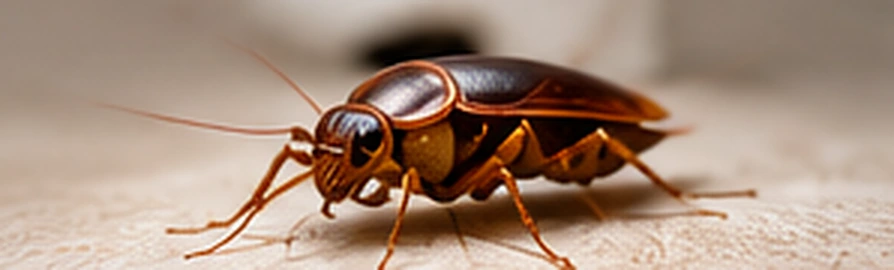
- German cockroaches are the most common indoor pest. Adults are light brown, about half an inch long, with two dark stripes behind the head. They do not live outdoors and typically concentrate in kitchens and bathrooms.
- American cockroaches are the largest common species, about 1½ inches long, reddish-brown with a pale band behind the head. They favor basements, drains, and crawl spaces.
- Oriental cockroaches are about an inch long, shiny and dark, and prefer cool, damp places such as basements and drains.
- Brownbanded cockroaches are similar in size to German cockroaches but lack the head stripes. They often hide higher up, in furniture and behind wall decorations.
Knowing which one you have matters. A German cockroach problem is handled differently from American cockroaches wandering in from a sewer line or crawl space.
Why Cockroaches Keep Coming Back
1. Hidden Roaches and Egg Cases Survive
Cockroaches are nocturnal and slip into tiny cracks, so the roaches you see are only part of the picture. Penn State Extension notes that a female German cockroach carries a capsule holding roughly 30 to 48 eggs, and may produce 4 to 8 capsules in her lifetime. The time from capsule formation to hatching is about 28 days, and nymphs take weeks to mature. In other words, a treatment can work on the adults and the nymphs present at that moment while new nymphs hatch afterward. That is a major reason follow-up matters.
2. Sprays and Foggers Can Scatter Them
It is tempting to spray every roach you see, or set off a bug bomb. Extension specialists advise against it. Penn State says residual sprays and aerosol foggers are of little value and can scatter roaches, making control harder. The University of Kentucky says foggers are not recommended because they mostly settle on exposed surfaces and can drive roaches deeper into hiding. Roaches spend little time on open walls, floors, and countertops, so they are unlikely to pick up a lethal dose there.
3. Baits Were Not Given a Chance to Work
Baits, which combine a food attractant with a slow-acting insecticide, are generally the better approach for most households. But they only work if roaches eat them. Spraying cleaners or other insecticides near bait can discourage feeding, and so can competing food. Placement matters, too. Gel baits work best as many small, pea-sized dabs placed in or near the cracks where roaches travel, and a single kitchen sink cabinet may need a dozen or more placements. A few large blobs in obvious places rarely do the job.
4. Food, Water, and Shelter Are Still Available
A clean home can still get roaches, but food residue, moisture, and clutter help populations survive and grow. Crumbs under appliances, a leaky pipe under the sink, pet food left out overnight, and stacks of cardboard or paper all provide support.
5. New Roaches Arrive From Outside
Roaches can enter through infested grocery bags, beverage cartons, and secondhand furniture, and through gaps around doors, windows, vents, and utility openings. In apartments and attached homes, they can move between units through walls, ceilings, pipes, and wires. If a neighboring unit is not being treated, your own treatment may be fighting a source you cannot reach.
6. Some Hiding Places Were Missed
Kentucky Extension points out that when key hiding places are missed, problems tend to continue. Roaches often aggregate behind refrigerators and stoves, in the voids beneath cabinets, around plumbing entry points, and in cluttered storage areas. American cockroaches may be coming from drains, crawl spaces, or other outdoor harborage that has to be found for lasting relief.
Signs the Roaches Are Still Active
- Live roaches in the daytime, which often suggests a larger population or stress, such as lack of food or water
- Small dark specks or smears, which can resemble pepper or coffee grounds, near hiding places
- Shed skins and empty egg capsules
- A musty, oily smell in heavily infested areas
- Roaches caught on sticky monitoring traps. Penn State suggests using traps at multiple sites for a week to see where activity is concentrated
What Homeowners Can Do
Clean Up Food and Water Sources
- Wipe up spills and crumbs, and do not leave dishes or pet food out overnight.
- Store dry food in airtight containers.
- Take out trash regularly in a container with a tight lid, and recycle cardboard promptly.
- Fix leaks and reduce moisture under sinks and around appliances.
Seal Cracks and Entry Points
- Caulk cracks and gaps around doors, windows, baseboards, and cabinets.
- Seal openings around pipes and wires with caulk, foam, or copper mesh. This is especially helpful in apartments.
- Install door sweeps and tight-fitting screens.
Use Baits Carefully
- Choose a product labeled for cockroaches and follow the label.
- Place many small amounts of gel bait, or bait stations, flush against edges where roaches travel.
- Avoid spraying or cleaning with strong products on or around bait.
- Replenish bait as needed. In a large infestation, it may take several weeks to see substantial reduction.
Use Dusts Sparingly
Kentucky Extension notes that boric acid dust can help in cracks and voids behind appliances and under cabinets, but only as a light, barely visible film. Roaches avoid heavy piles. Keep dusts away from food, countertops, electronics, children, and pets, and follow the label.
Common Mistakes to Avoid
- Spraying everything you see. It rarely reaches hiding places and can scatter the population.
- Setting off foggers. They are not recommended by university extension specialists.
- Treating once and stopping. Eggs that hatch after treatment need follow-up and monitoring.
- Using large piles of dust or too many products at once. Heavy deposits repel roaches, and mixing products can make baits less effective.
- Ignoring moisture. A slow leak can support roaches even in an otherwise tidy kitchen.
- Treating only the visible room. Activity often extends to adjoining bathrooms, closets, and neighboring spaces.
When to Call a Professional, or Call Back
Many small roach problems can be solved by a homeowner following baiting and sanitation steps. But call a professional if:
- You see roaches in multiple rooms, or regularly in the daytime
- The problem returns soon after a treatment, or a store-bought product has not helped after a few weeks
- You live in an apartment or attached home and suspect roaches are moving between units
- You are not sure of the species
- You or a family member has asthma or allergies, since roach droppings and shed skins can trigger symptoms
If you already had a professional treatment and the roaches have not improved, do not just wait quietly. A good provider will explain what to expect, schedule follow-up, and adjust the plan based on what they find. Kentucky Extension adds that properly done roach treatment should not require a full year of service, especially in single-family homes, and that professionals should place products into cracks and secluded areas rather than spraying along baseboards. Ask what is included, how many visits are expected, and how results will be checked.
Why It Is Worth Taking Seriously
Cockroaches are more than a nuisance. According to Penn State and University of Kentucky Extension, they can carry organisms that cause food poisoning and spread them to food and utensils, and their droppings and shed skins contain allergens that may trigger sneezing, congestion, and asthma. This is especially important for children and anyone with respiratory conditions.
Final Thoughts
If cockroaches keep returning, the explanation is usually not that your home is dirty or that the treatment was a failure. It is usually that cockroaches are good at hiding, at reproducing, and at finding their way back in. A combination of targeted baiting, good sanitation, sealing entry points, and follow-up monitoring gives you the best chance of lasting improvement.
If roaches are a persistent problem at your Louisville home or business, Toler Pest Control can help identify the species and where they are hiding, and suggest a plan from there. Take a look at our cockroach control service, read the cockroach guide in the Pest Library, or call (844) 478-1021 any time.