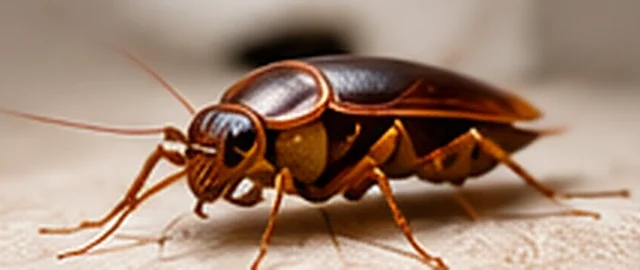
Finding a bed bug is a bad moment. You pull back the sheets, spot something small and reddish-brown near the seam of the mattress, and suddenly every itch feels suspicious. The good news is that bed bugs are a solvable problem. The less comfortable news is that they rarely get solved in a weekend, and some of the most popular quick fixes make things worse.
This guide explains what actually works, what you can reasonably handle yourself, and the point where calling a professional is the smarter move.
The Short Answer
Most bed bug infestations are controlled with a combination of steps rather than one product: confirming the pest, containing and cleaning infested items, treating hiding places, and checking repeatedly afterward. A light, caught-early problem in one room can sometimes be managed by a determined homeowner. Established infestations, or ones that have spread to several rooms, usually call for a pest management professional.
It is also worth being honest about the word “permanently.” No treatment can stop bed bugs from ever being brought into your home again, because they travel on luggage, clothing, and used furniture. What a good treatment can do is eliminate the bugs that are there now. Keeping them out afterward is a matter of prevention and watchfulness.
Make Sure It Really Is Bed Bugs
Bites alone are not a reliable way to identify bed bugs. According to the CDC, the bites look much like mosquito or flea bites, they can appear in a line or at random, and the marks may not show up for a day or several days, sometimes up to two weeks. Some people never react at all.
Look for physical evidence instead:
- Small, flat, reddish-brown insects, anywhere from about 1 mm to 7 mm long, in mattress seams, box springs, and bed frames
- Shed skins left behind as the bugs grow
- Rust-colored spots on sheets, mattresses, or nearby furniture
- A sweet, musty odor in heavier infestations
Use a flashlight and check the seams and tags of the mattress and box spring, the headboard, the bed frame joints, and the cracks of nearby furniture. Bed bugs usually stay within about eight feet of where people sleep, though they can travel farther. If you are unsure what you are looking at, a local Cooperative Extension office can help identify an insect, and a pest control inspection can confirm it.
How Bed Bugs Get Into a Home
Cleanliness has little to do with it. Bed bugs are hitchhikers. They hide in the seams and folds of luggage, bags, folded clothing, bedding, and furniture, and travelers often carry them home without knowing. Common ways they arrive include:
- Hotel stays, vacation rentals, and visits to other homes
- Secondhand mattresses, couches, and upholstered chairs
- Shared walls and pipes in apartments and multi-unit buildings
- Backpacks, laundry bags, and clothing carried between locations
A home does not have to be cluttered to have bed bugs, but clutter gives them more places to hide and makes every step of treatment harder.
Why They Are So Hard to Get Rid Of
Bed bugs hide in tight cracks during the day and feed at night, so you rarely see them. They can end up in places a spray never reaches, such as inside a headboard, behind a loose outlet cover, or under the edge of a baseboard. Eggs add to the challenge. Even after a thorough cleanup, eggs that were missed can hatch, which is why bugs sometimes reappear a week or two after you thought the problem was over.
The EPA notes that treatment can take weeks to months, that everyone in the household needs to cooperate, and that you should keep checking for at least a year after you stop seeing bugs. That is a long runway, but it is the realistic one.
What You Can Safely Do Yourself
If the problem is small and you want to start right away, these steps are consistent with EPA guidance and are low risk.
Contain, Wash, and Heat-Treat What You Can
Bag infested bedding and clothing in sealed plastic bags before carrying them through the house, so bugs are not dropped along the way. Wash and then dry items on high heat in the dryer. Items that cannot be washed can often be treated in the dryer alone. Keep treated items in clean, sealed containers until the problem is resolved so they are not reinfested.
Vacuum, Seal, and Reduce Hiding Places
Vacuum mattress seams, the bed frame, and the floor along baseboards. Seal the vacuum bag tightly and put it in an outdoor trash container right away. Filling small cracks with silicone caulk removes hiding places and can push bugs out into the open where they are easier to find.
Use Mattress and Box Spring Encasements
Bed bug-rated encasements seal the mattress and box spring so that bugs inside are trapped, and bugs outside have fewer places to hide. They are most useful as part of a larger plan, not as a stand-alone fix.
Add Interceptors and Monitor Weekly
Interceptor traps placed under each leg of the bed and couch catch bugs as they climb up or down, which tells you whether activity is continuing. Pull the bed a few inches from the wall and keep bedding from touching the floor. Inspect and empty the interceptors about once a week, and write down the date and location of anything you find. That record becomes very useful if you later bring in a professional.
Cold and Steam for Items You Cannot Wash
The EPA says a home freezer is often not cold enough, but items sealed in a bag and kept at 0°F for three days can be treated, if you confirm the temperature with a thermometer. A steamer can also work on seams and crevices when the steam reaches at least 130°F and is used with a diffuser so that airflow does not scatter the bugs. Anything you cannot treat can be sealed in a bag or container and left for up to a year.
Common Mistakes That Make Bed Bugs Worse
- Using bug bombs. The EPA cautions against foggers unless bed bugs are on the label, and never as the only method. They do not reach the cracks where bed bugs hide, and they can cause fire, explosion, or health harm.
- Using rubbing alcohol, kerosene, or gasoline. These are dangerous and can ignite. Do not use them.
- Cranking up the heat. Raising the thermostat, or using a space heater or fireplace, does not reach lethal temperatures in all the hiding spots and creates a real safety risk.
- Using the wrong powders. The EPA warns against pool-grade or food-grade diatomaceous earth because it can harm the lungs. Use only products labeled for bed bugs.
- Moving to another room or throwing things out. Sleeping on the couch can spread bugs to a new area, and discarding furniture is only worth doing if it cannot be treated. If you do dispose of something, rip the cover and mark it “bed bugs” so that nobody takes it home.
- Relying on sticky traps. They are not an effective way to find or control bed bugs, and they can catch other insects.
- Stopping too early. Seeing no bugs for a few days does not mean eggs have finished hatching. Keep monitoring.
When to Call a Professional
The EPA advises bringing in a pest management professional early, and warns that trying to handle an infestation on your own first can allow it to spread. Call a professional if:
- You find bugs in more than one room, or on more than one piece of furniture
- Bugs keep appearing after a few weeks of careful cleaning and monitoring
- You live in an apartment, duplex, or other shared building, where bugs can move between units
- You cannot tell whether you have bed bugs, or what other insect you may be seeing
- You cannot safely treat your mattress, furniture, or belongings yourself
- The stress and sleep loss are becoming hard to manage
What Professional Bed Bug Treatment Involves
An experienced provider will begin with a careful inspection, which may include taking furniture apart. Treatment can combine vacuuming, heat, and EPA-registered products applied to specific hiding places. The EPA also recommends choosing a company that uses integrated pest management, which includes monitoring for bugs that were missed.
Expect follow-up. The EPA states that very few infestations are controlled with a single treatment, so plan on multiple visits. You will also be asked to prepare, usually by laundering, decluttering, and moving items so the technician can reach beds and furniture. Following those instructions closely makes a real difference.
When comparing companies, ask whether they have bed bug experience, how they inspect and monitor, how many visits are typical, what preparation they need from you, and what happens if bugs are still present afterward. Be wary of anyone who promises results that sound too certain.
How to Keep Bed Bugs From Coming Back
- When you travel, check the mattress seams and headboard before bringing luggage onto the bed, and keep bags off the floor and bed if you can.
- After a trip, put clothing straight into the dryer on high heat.
- Inspect any used furniture carefully before you bring it indoors, and think twice about secondhand mattresses.
- Keep the encasements on, reduce clutter around the bed, and check the seams from time to time.
- If you share walls with neighbors, tell your landlord or property manager at the first sign of trouble.
Final Thoughts
Getting rid of bed bugs is less about one clever product and more about a careful, patient process. Start with confirmation, contain the problem, treat what you safely can, and keep looking. If the problem is spreading or keeps returning, calling a professional early usually saves time, money, and stress.
If you are dealing with bed bugs in Louisville or the surrounding area, Toler Pest Control can inspect your home and talk you through the options. Learn more about our bed bug control service, read our bed bug guide in the Pest Library, or call us any time at (844) 478-1021.